Does an Erasmus+ VET project always have to mean a traineeship in one company? Not necessarily. Vocational education can also take the form of an intensive training and development programme combining practical activities, educational visits, teamwork, communication, local institutions and everyday use of English. This is exactly what students from Veszprémi SZC Szent-Györgyi Albert Technikum és Kollégium from Ajka, Hungary, experienced during their two-week stay in Rzeszów.
The group came to us as part of an Erasmus+ project in the VET sector, focused on vocational education and training. The participants study in a field connected with public safety and public services, so the programme was designed to show them this area from different perspectives: practical, institutional, social and international.
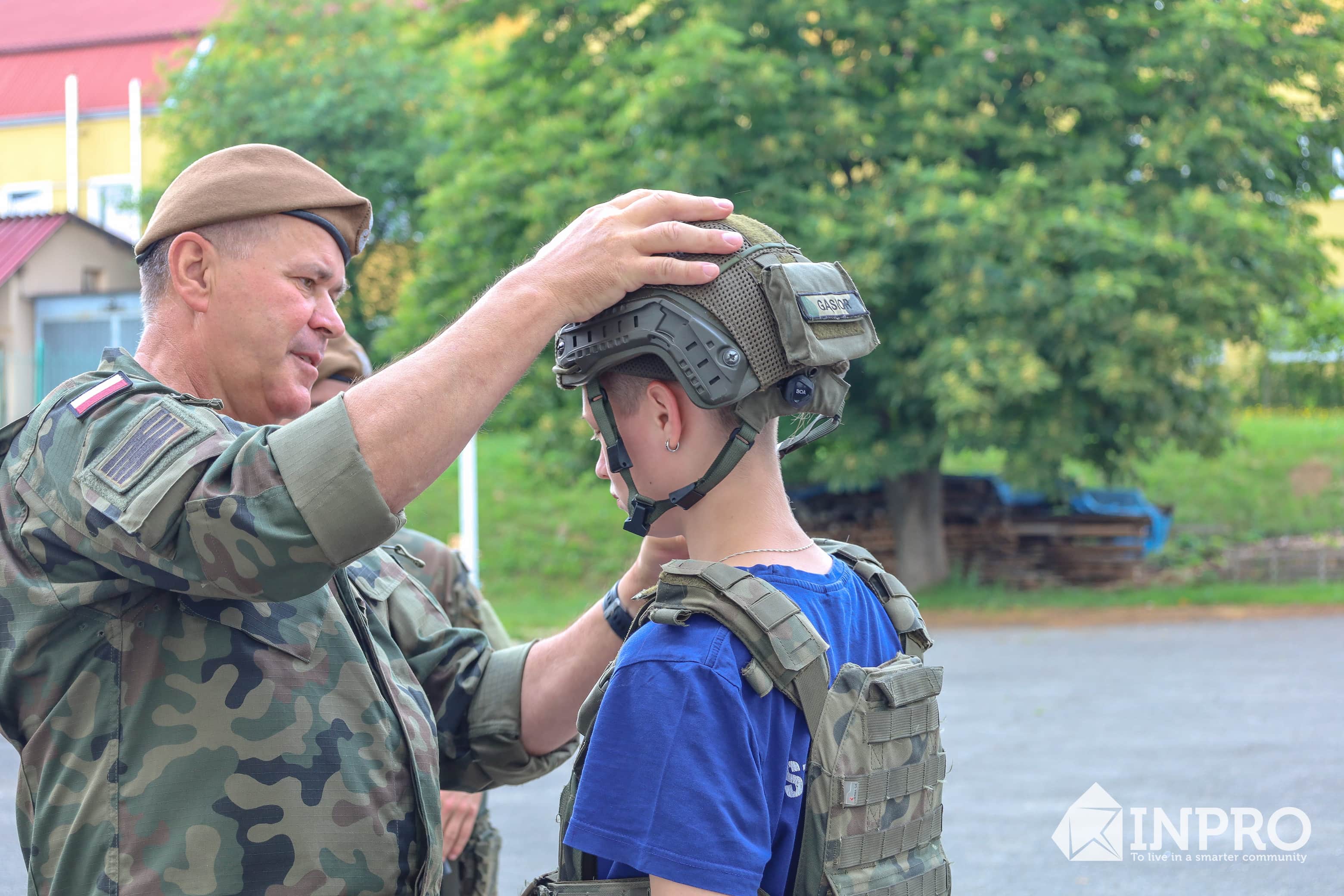
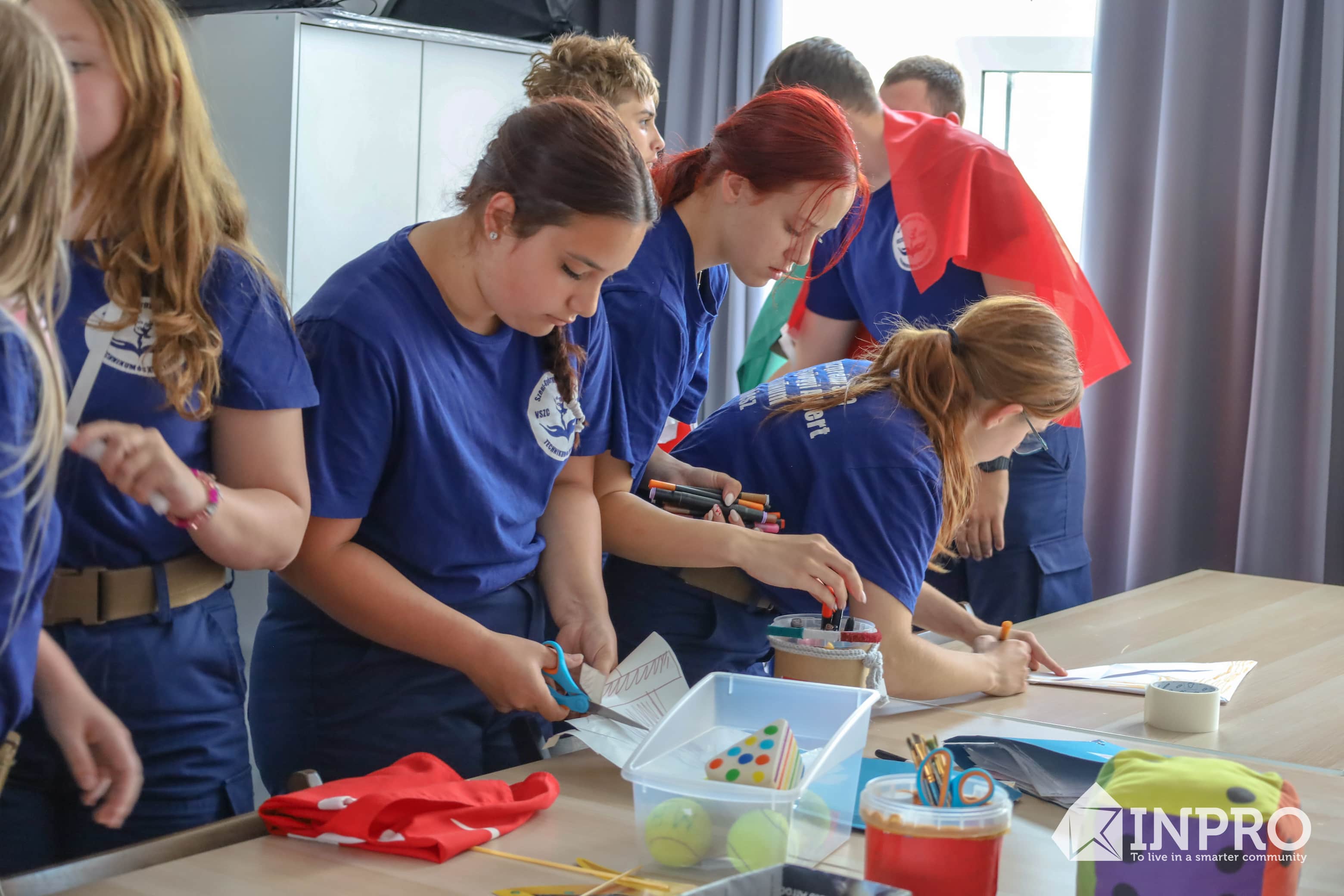
From the beginning, we wanted the programme to be based not only on observation, but also on active participation. The students were encouraged to act, communicate, respond, work in teams and complete tasks requiring responsibility and cooperation. That is why practical sessions prepared in cooperation with Związek Strzelecki “Strzelec” from Rzeszów became such an important part of the mobility.
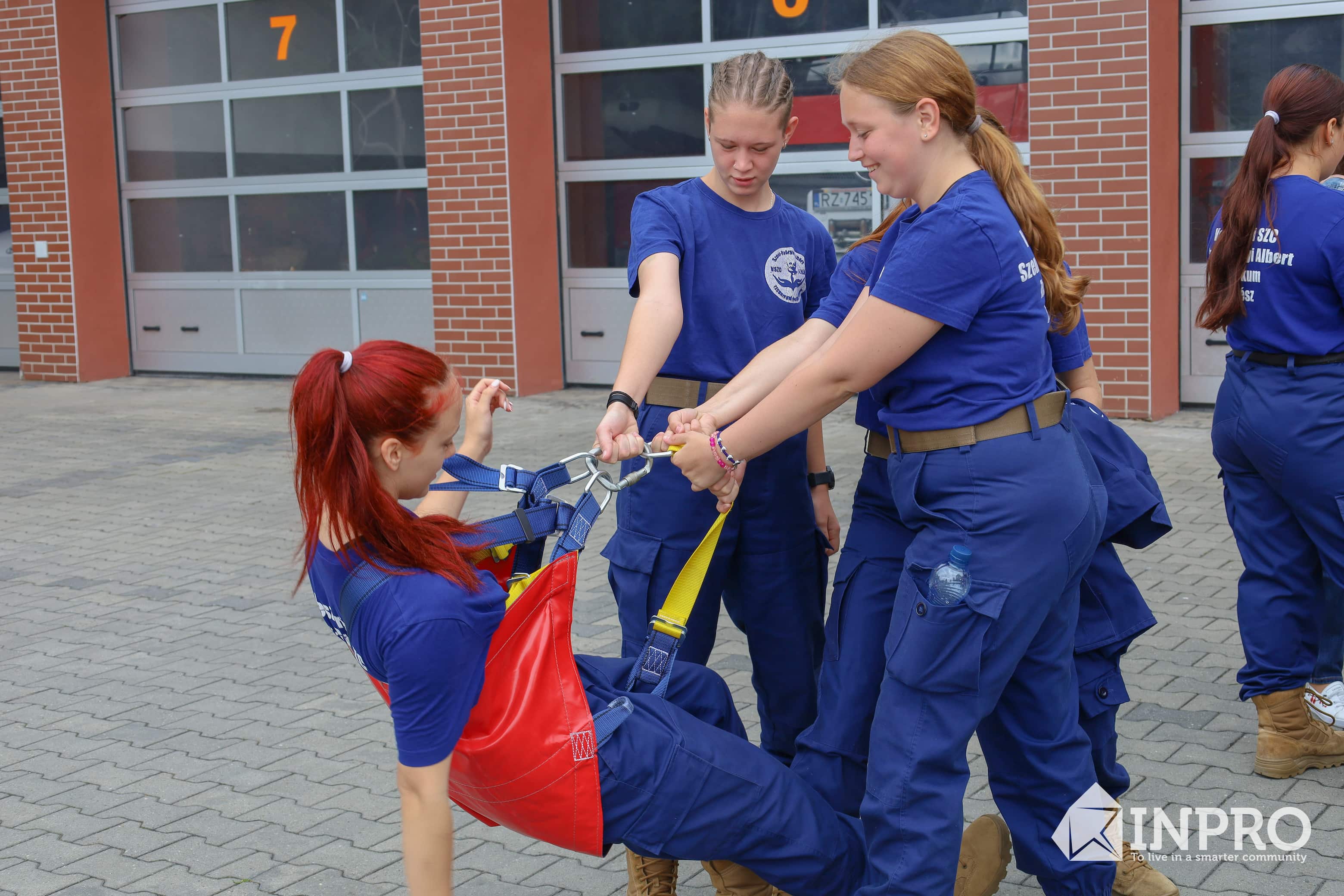
The programme included, among others, SERE elements, communication and teamwork in field activities, basic engineering and sapper-related activities, first aid and elements of CLS, as well as exercises developing focus, responsibility and quick decision-making. For the participants, it was an opportunity to see that knowledge connected with safety does not end with theory. In practice, it is not only procedures that matter, but also calmness, communication, cooperation and awareness of one’s role in a team.
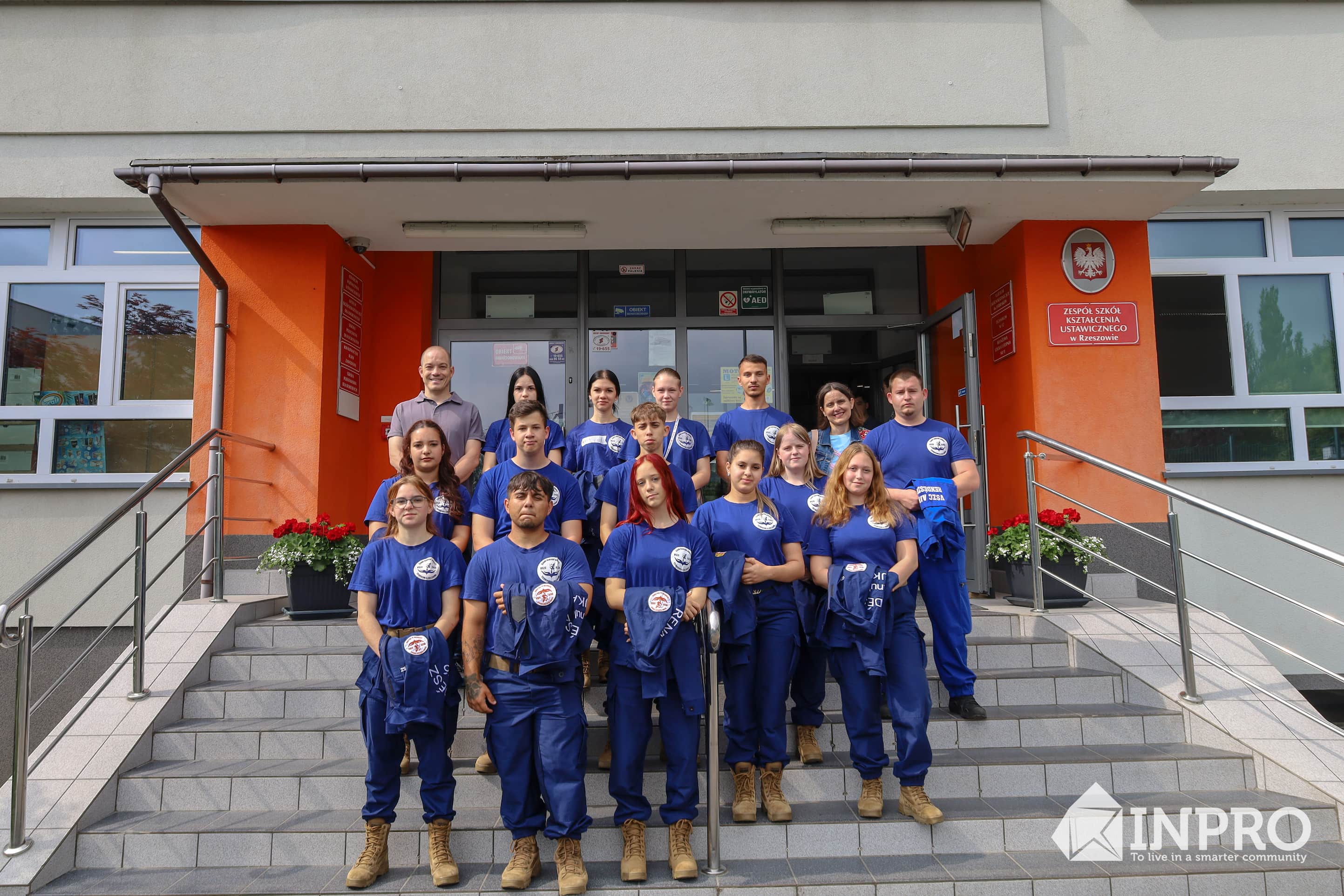
Educational visits were another important part of the programme. The participants visited Zespół Szkół Kształcenia Ustawicznego in Rzeszów, where they could see how their Polish peers learn in a similar field, within a military-profile class. Such meetings make it possible to look at one’s own educational path from a different perspective. They show that young people in different European countries often have similar interests, ambitions and questions about their professional future.
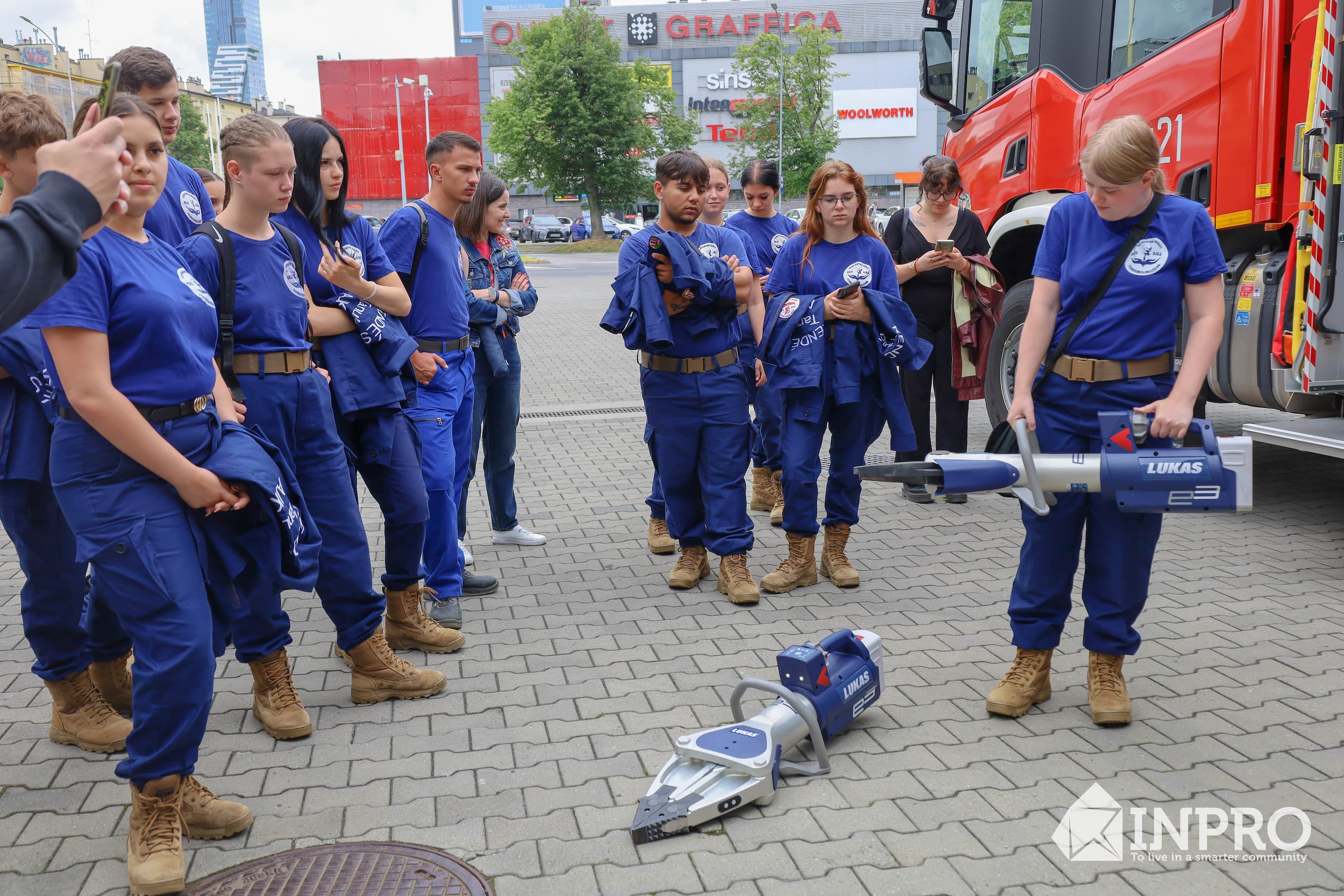
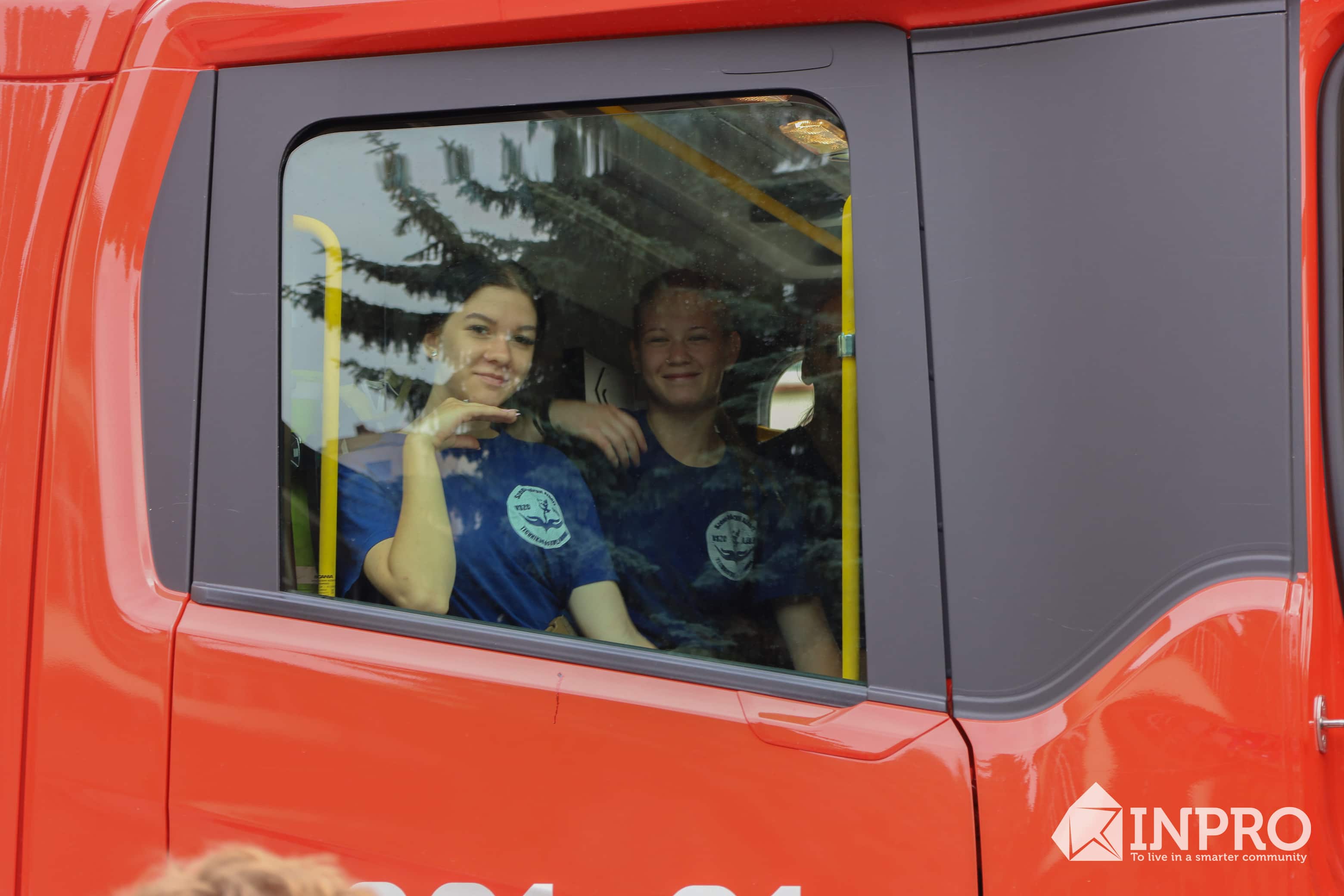
Another key point of the programme was a visit to the Municipal Headquarters of the State Fire Service at Mochnackiego Street. For a group interested in public safety, this was a particularly meaningful experience. The participants could learn more about the work of rescue services, see the background of their everyday duties and better understand how much preparation, responsibility and cooperation is needed to work for the safety of others.
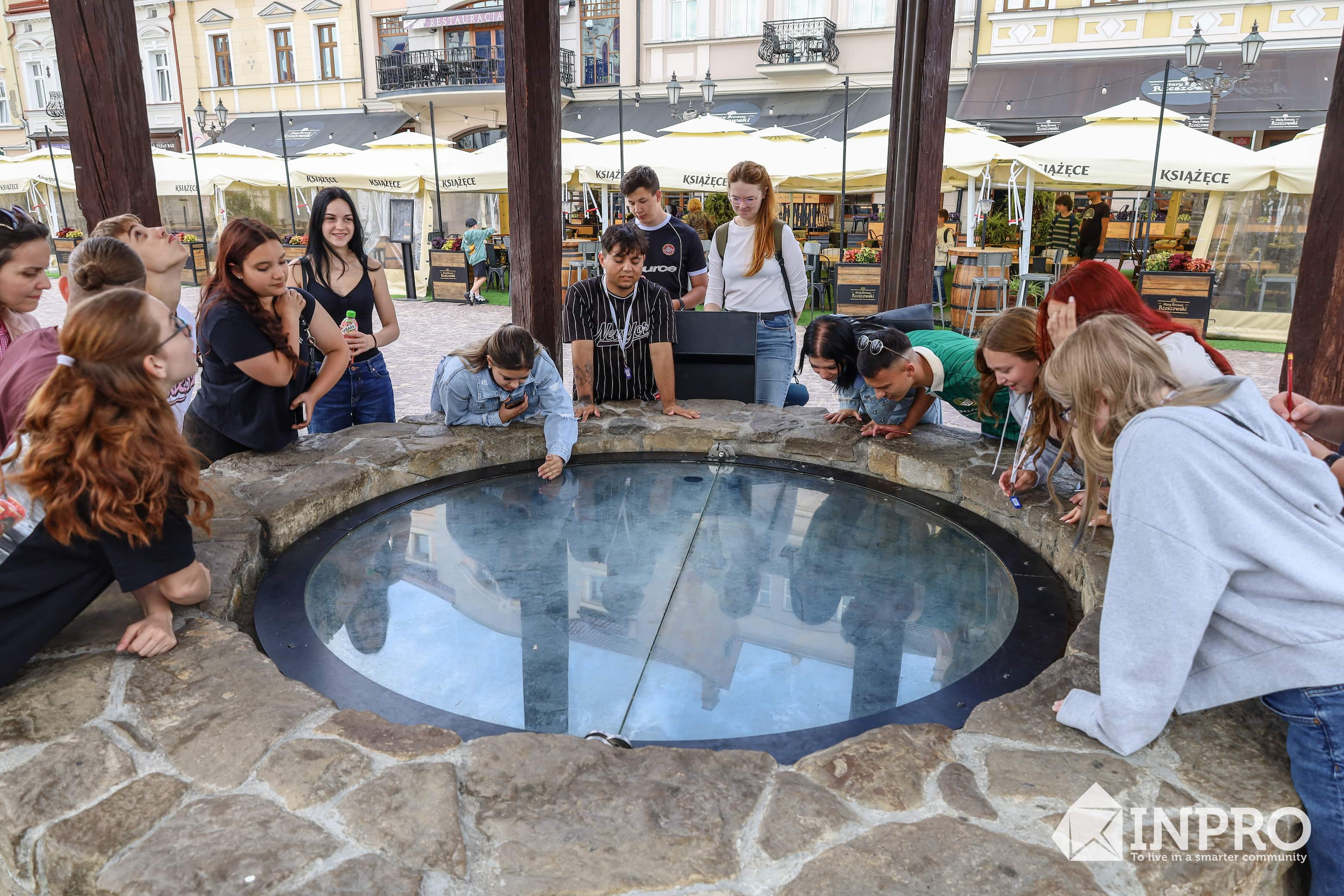
Although the project had a clear vocational profile, it also included language and cultural activities, integration and exploring Rzeszów. The participants functioned every day in an international environment, used English in practice and discovered the city not only as tourists, but as part of an educational programme. For many young people, these are some of the most important outcomes of mobility: overcoming the language barrier, becoming more independent and realising that they can find their place in a new environment.
The programme also included a Eurodesk information session, thanks to which the participants could learn more about other opportunities for young people in Europe. This is an important element of such projects, because Erasmus+ VET is not only about developing vocational skills. It also supports social, civic, language and personal competences. It shows young people that Europe is not only a topic from school lessons, but a set of real opportunities: learning, cooperation, travelling, volunteering and getting involved in international activities.
The two weeks in Rzeszów were therefore much more than a standard educational visit for the group from Ajka. They were a time of practical learning, discovering local institutions, teamwork, intercultural experience and reflection on the future. This kind of programme shows that vocational education can be diverse and engaging, and that international mobility can support young people’s development on many different levels at the same time.
We would like to thank the whole group for their energy, openness and engagement throughout their stay in Rzeszów. We also thank the accompanying teachers for supporting the participants during the mobility.
Special thanks go to Związek Strzelecki “Strzelec” from Rzeszów for cooperation and for preparing valuable practical sessions, as well as to Zespół Szkół Kształcenia Ustawicznego in Rzeszów, the Municipal Headquarters of the State Fire Service at Mochnackiego Street and Eurodesk for helping us create a programme that was diverse, educational and full of practical experiences.
We are happy that Rzeszów could become a place of learning, exchange and new opportunities for this group.