
Vocational Training Programmes for Students (VET)

We organise comprehensive and innovative vocational training programmes for youth groups from across Europe within the Erasmus+ Vocational Education and Training (VET) sector. Our projects combine traditional vocational learning with elements of non-formal and intercultural education, enabling participants to develop not only technical skills but also social, linguistic and interpersonal competences.

If you represent a school looking for a host organisation for your Erasmus+ VET project — we invite you to Rzeszów. We are an experienced team designing coherent and meaningful programmes that include both practical training and activities aimed at strengthening the competences of future professionals, regardless of the field of study.

We work with students from a wide range of educational profiles. We design programmes for IT students, electronics technicians, hospitality and catering students, cooks, waiters, environmental protection technicians, administration and civil service students, and many other specialisations. Depending on the needs of the group, we can organise practical workshops, study visits, project-based activities or structured traineeship programmes — always tailored to the school’s profile and the participants’ level of advancement.

Our programmes go far beyond vocational training alone. We enrich the stay in Rzeszów with cultural and language components, including city and regional visits, participation in local events, language workshops and integration activities with young people from the region. As a result, students not only gain professional experience but also build confidence, openness and readiness to work in an international environment.

We ensure full organisation of the stay: accommodation, meals, comprehensive logistics, coordination support and ongoing communication with teachers and group leaders. Each programme is developed individually to align fully with the school’s objectives and the needs of its students.

If you would like to learn more about our offer or develop a VET programme tailored to your school — we invite you to contact us.
2022-03-17

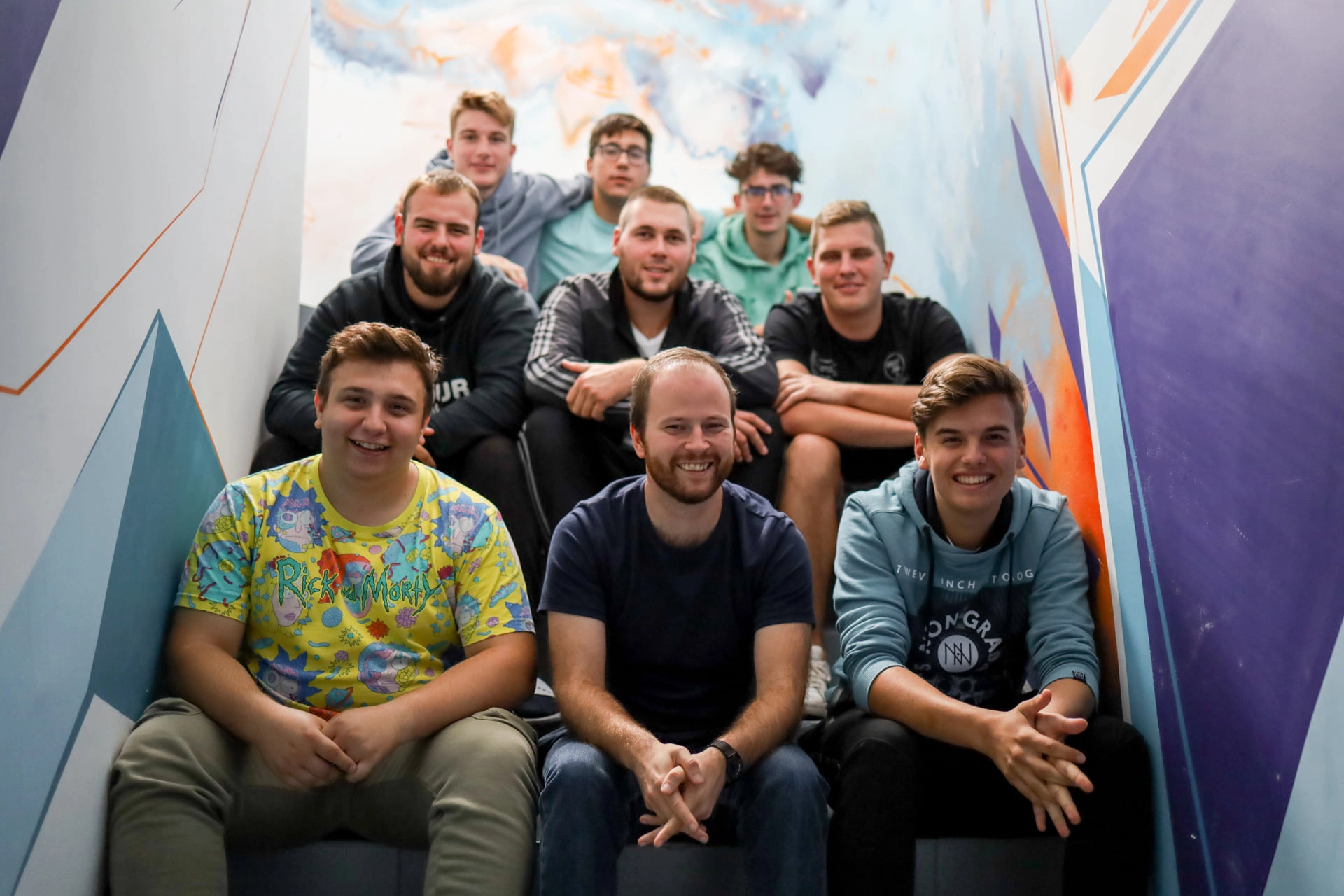
Does vocational training for automotive students have to mean spending three weeks working only on cars in a workshop? Not necessarily. During the stay of students from Kecskeméti Szakképzési Centrum in Rzeszów, we aimed to show that the automotive industry is much more than just working with engines, and that this profession can be understood in a broader way than everyday repairs.

As part of the Erasmus+ VET programme, we designed three weeks of experiences that allowed participants to look at their future career path from different perspectives. One of the key elements of the programme were visits to companies and institutions related to the technical sector. The students visited BorgWarner Poland, where they could see how automotive components are produced in a large international company. At the Regional Voluntary Labour Corps (OHP) office in Podkarpackie, they discussed career paths and opportunities in the technical sector, while at 3car.pl they explored the daily reality of working in a car service and how such a business operates.

At the same time, we wanted to go a step further and show the industry from the perspective of decision-making, responsibility and management. That is why the students had the opportunity to run their own car workshop in a safe, simulated environment. During sessions using REVAS business simulations, they took on the role of workshop owners and made decisions related to finances, work organisation and business development strategies. It was a chance to understand that in this field, technical skills are only one part of the equation, and that entrepreneurship and management skills are equally important.

Alongside the professional component, an important part of the programme included language workshops and integration activities. The students developed their communication skills in English, worked in an international environment and had the opportunity to explore Rzeszów and the Podkarpacie region. These everyday interactions and shared experiences often turned out to be just as valuable as the professional learning itself.

The three weeks passed quickly. At the end, it was time for reflection, evaluation and the awarding of certificates. The students returned home not only with new knowledge, but also with experience of working in an international environment and a broader understanding of their future profession. The project was funded by the European Union under the Erasmus+ programme, which enables young people to gain practical experience and develop their skills in an international context.