
European Solidarity Corps

The European Solidarity Corps (ESC) is a European Union programme for young people aged 18–30 who want to engage in community work, gain experience in an international environment and contribute to projects supporting local communities. We have been part of the programme since 2016 and have continuously hosted volunteers from across Europe, creating a space for learning, cooperation and meaningful intercultural exchange.

We implement both short-term and long-term volunteering projects. All current calls are published exclusively on the European Youth Portal, where you can find detailed descriptions of each project, including responsibilities, accommodation arrangements and participation conditions. To apply, simply create an account, find our offer and submit your application through the portal — this is the only official recruitment channel.

Every volunteer joining our projects is provided with accommodation, pocket money according to programme rates, financial support for food and reimbursement of travel costs within the limits defined by ESC. Volunteers also receive the support of a coordinator and a mentor, and become part of a dynamic, diverse and engaged environment that we have been building in Rzeszów for years.

The scope of activities depends on the duration of the project. Long-term volunteers support us in organising youth exchanges, training courses and local events, work directly with young people, create photo and video content, manage social media and contribute to the daily functioning of our space. Short-term projects focus mainly on intercultural lessons in schools, sharing one’s culture and designing workshops for students — intensive but highly rewarding experiences that genuinely broaden young people’s horizons in the region.

From the very beginning, we have prioritised quality in our projects. Thanks to our long-standing experience, continuous presence of volunteers and cooperation with local partners, we are able to create an environment where young people learn, grow and make a real impact — while also contributing something meaningful to the local community. If you enjoy taking initiative, embracing responsibility and working in an energetic, intercultural setting, volunteering with us through ESC may be a great choice.

If you are from Poland and would like to take part in a similar project abroad, the process works in a very similar way — just the other way around. Host organisations also publish their opportunities on the European Youth Portal. You simply need to create an account, find a project that interests you and apply directly through the platform. If you have questions, need guidance or would like to understand the process better, feel free to contact us or visit our office. As a sending organisation in the programme, we can help clarify any doubts and support you in preparing for your volunteering experience abroad.
2026-03-17

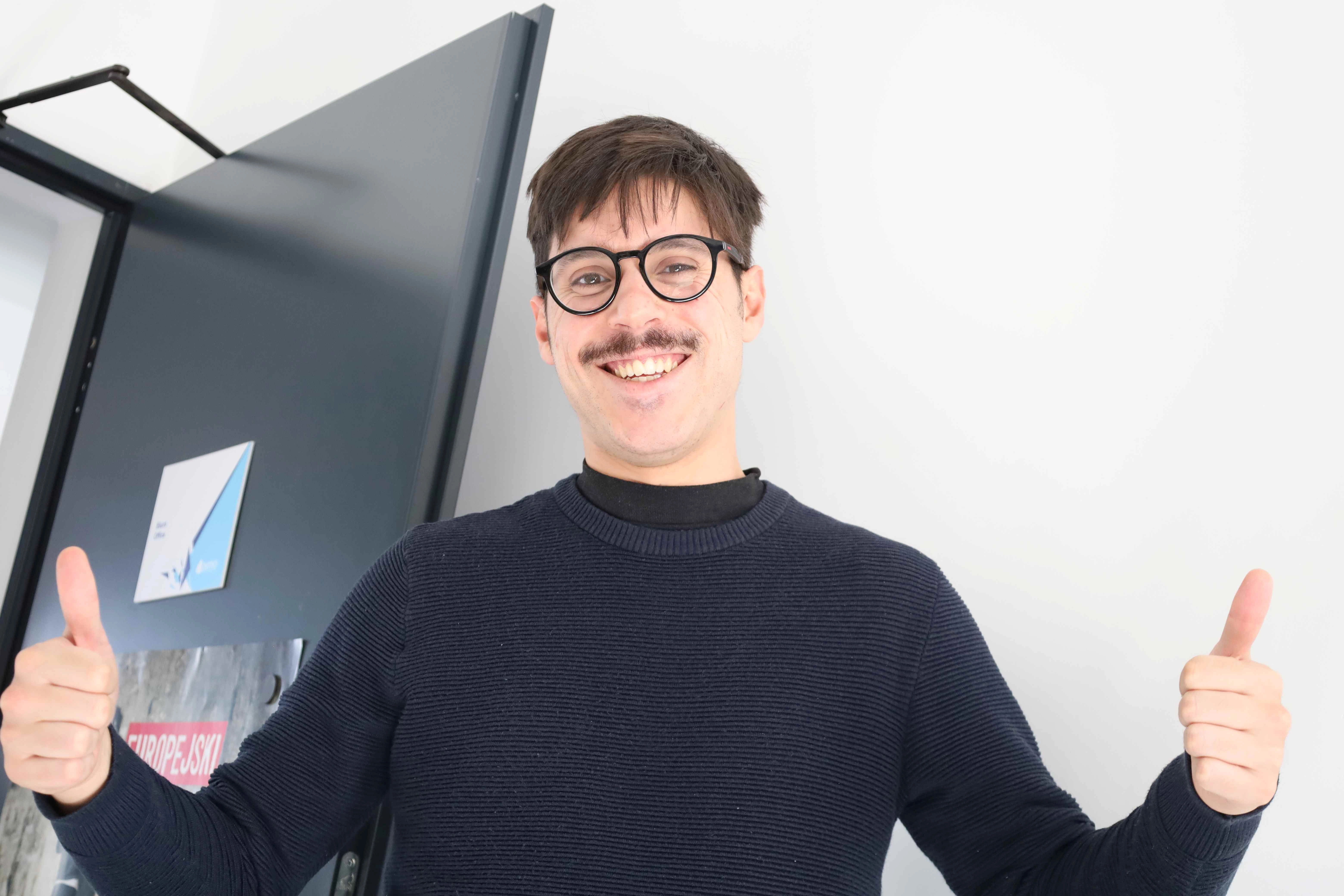
I applied for this short-term volunteering position because I didn’t take part in Erasmus during my studies and I wanted the opportunity to meet new people and experience different cultures before starting my internship as a future lawyer. I didn’t know much about Poland, only that winters are cold and snowy and that the language sounds very different from those I speak.

I arrived in Rzeszów on a Sunday night with no expectations about the project or the people I would be working and living with. When I got to the flat around 11 pm, the other five short-term volunteers were still awake and waiting for me. We said hi, they showed me around, I unpacked my things and went to sleep. The next morning we went to the INPRO office, met the staff and the long-term volunteers, and started the onboarding process.

After work that day, back at home, we started playing board games. We laughed, talked a bit about ourselves and our backgrounds, then cooked together and shared pastries from our countries. I had brought pastéis de nata from Portugal. We kept playing and talking, and that was the beginning of our friendship.

By spending time together in those first days, we quickly became comfortable with each other and built a strong foundation for the following weeks. We all wanted to make the most of this experience, so we started planning our weekends. On the first weekend we went to Lublin, then in the following weeks to Przemyśl, Kraków, Tirana and Gdańsk. Now we are planning a road trip to Bratislava, Budapest and Vienna, and we are really excited about it. We will also visit Warsaw next week, which should be great as everyone speaks highly of it.

We also explored Rzeszów. We went to BWA, Kino Zorza, an escape room, the swimming pool, as well as various bars, cafés and restaurants. A big part of our project is sharing our experience as young international people living abroad, so we prepared presentations about our countries and, as soon as they were ready, we started doing school visits.

Our first visit was at the 3rd High School in Rzeszów, followed by School Complex No. 1 in Nienadówka, School Complex No. 2 in Rzeszów, the 2nd High School in Łańcut and Primary School No. 4 in Łańcut. Every visit was different. Sometimes we had classes of five students, other times groups of 30 to 35. Sometimes teachers were present, sometimes not. Sometimes we presented in pairs or groups, sometimes alone, and we worked both in primary and secondary schools.

We were warmly welcomed everywhere. Teachers and students gave us small gifts such as cookies, tea and mugs. In one school, the classroom was decorated for the Portugal presentation, with colourful papers next to the board saying “Bom Dia!”, which made me feel especially welcome.

Talking about Portugal felt very natural to me. Polish students already knew about Ronaldo, and by the end of my presentation and the Kahoot quiz, they also knew about Maro, Saramago and Daniela Melchior. They learned about Francesinha and Bolo de Bolacha, as well as some stereotypes about Portuguese people, like moustaches, being late and the humour of waiters.

At the same time, I made sure to ask students for recommendations on Polish music and food. When it comes to music, they introduced me to bands like Lady Pank, Coma and Kult, which I really liked and added to my playlist. As for food, they recommended bigos, which I tried in Gdańsk and really enjoyed, especially in the cold weather.

Through this experience, I have improved my confidence, independence and adaptability. Sharing a flat with people who were initially strangers but turned out to be amazing and with whom I can truly be myself has been a great experience. After all the outings, trips, cooking, games and conversations we have shared, I feel like they are my family at the moment. It may sound like a cliché, but how else would you describe it when you are making sandwiches for the next day and you already know that Méryl likes just butter and ham, that Steven sings in the shower, and that Aurelia does her daily Duolingo and drinks half a litre of tea, but not black tea in the evening because she cannot fall asleep.

Valentina trusts ChatGPT with everything, even when it comes to dealing with one of her most common struggles, broken nails. Victoria loves Mamma Mia a bit too much and has no patience for watching football. We went to Jameson Bar to watch Benfica against Real Madrid and she was already bored as soon as we sat down. I am sure they would also have a lot to say about me.

I have also become more independent. I did not really feel homesick and I managed to find solutions for everything I needed. I got a haircut here, went to the gym and watched football matches.

I will be happy to see my friends and family again, but at the same time I know I will miss these people and this project as soon as I leave, which can only mean that I had a great time here and I am very glad I chose to do this.

In conclusion, I can say that I have learned a lot about myself during these two months and I would definitely recommend this type of volunteering experience to everyone.

André