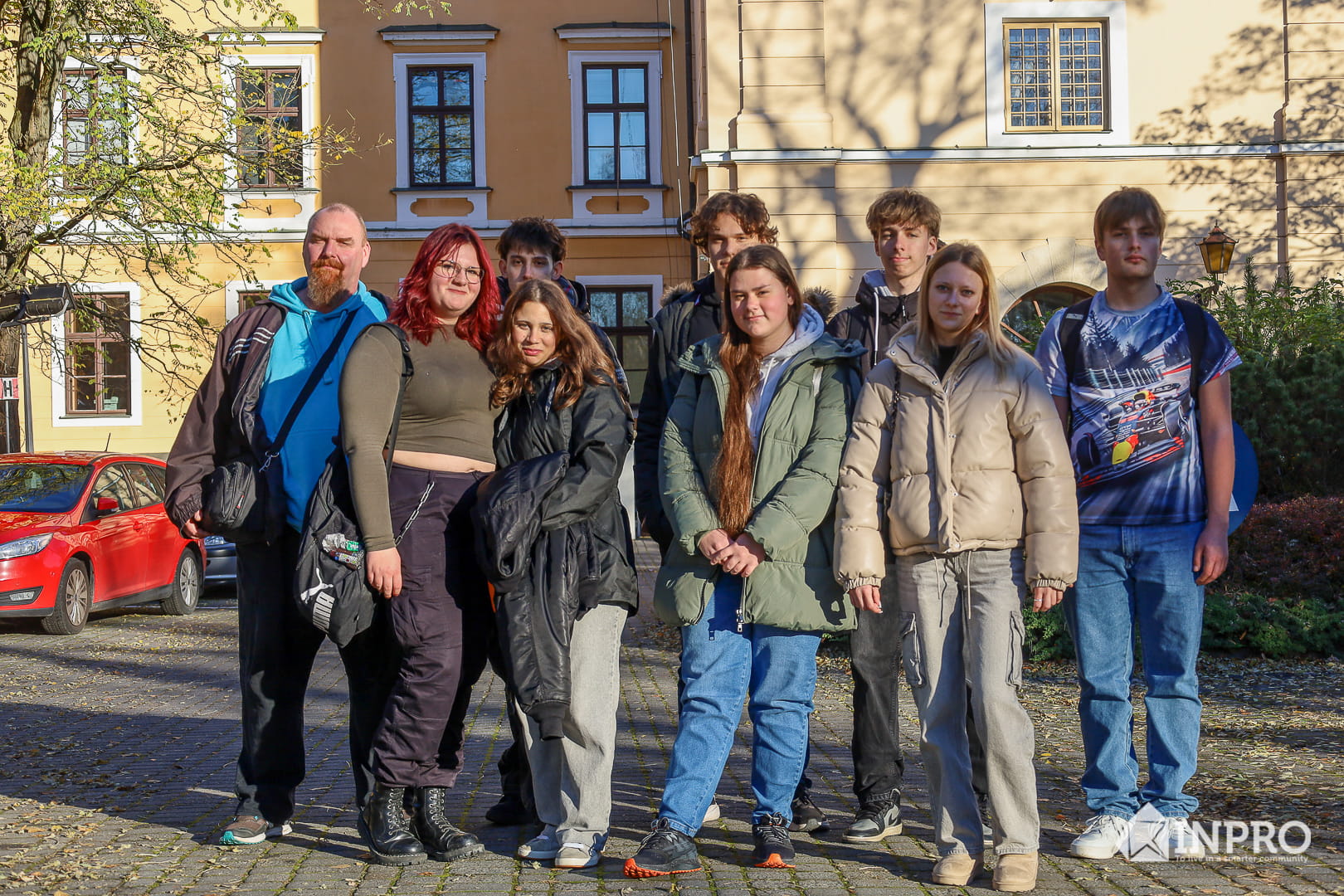
“We didn’t know what to expect, and we’re leaving with fantastic memories,” said Gergely, the teacher who travelled to Rzeszów with a group of students from Dunaújvárosi SZC Lorántffy Zsuzsanna Technikum és Kollégium.
For this school, it was their first experience with the Erasmus+ VET programme, so the trip naturally came with curiosity – and probably a bit of uncertainty. Over the course of two weeks, the students had the opportunity to see how chemistry works beyond the classroom and how many different areas it connects with in the real world.
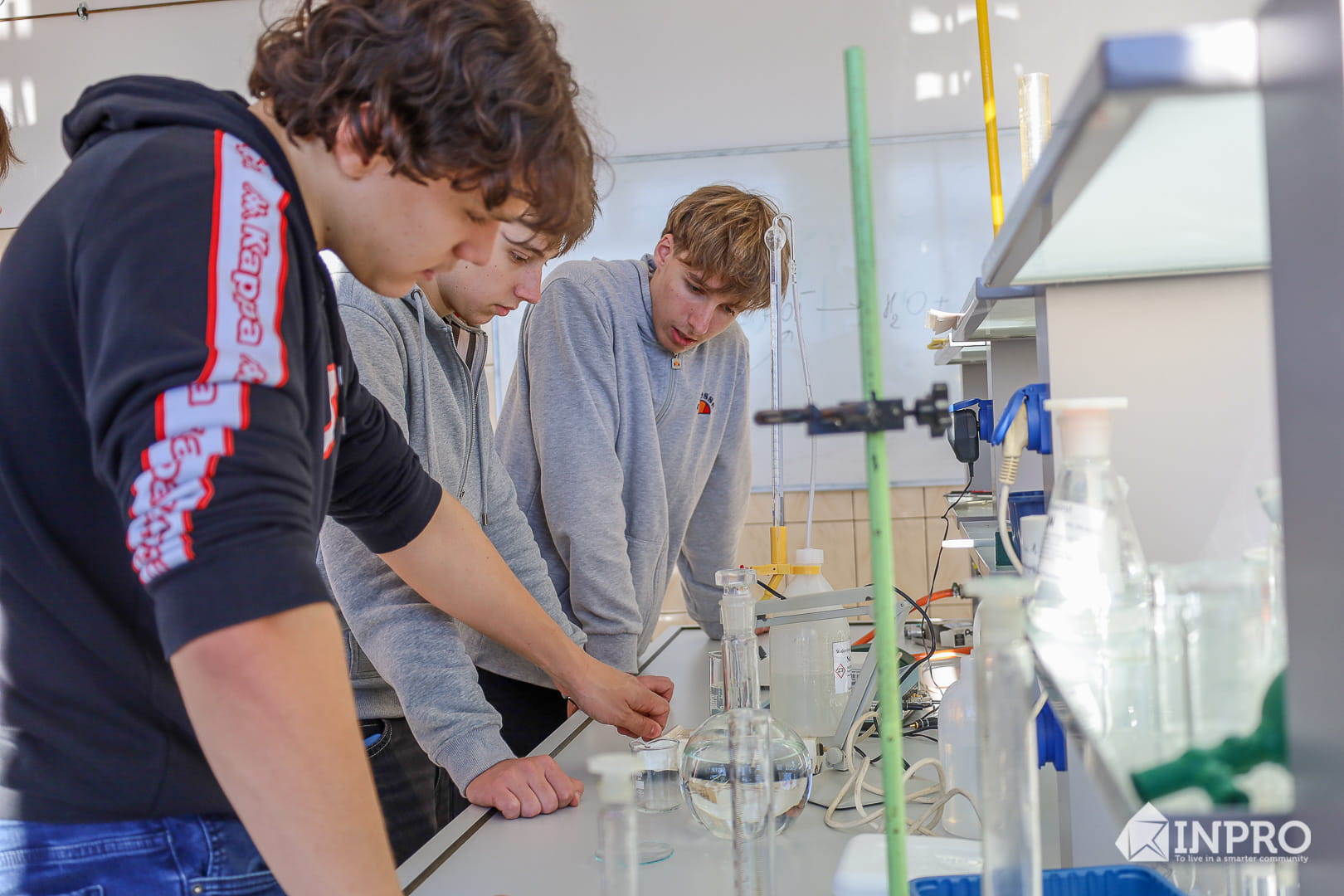
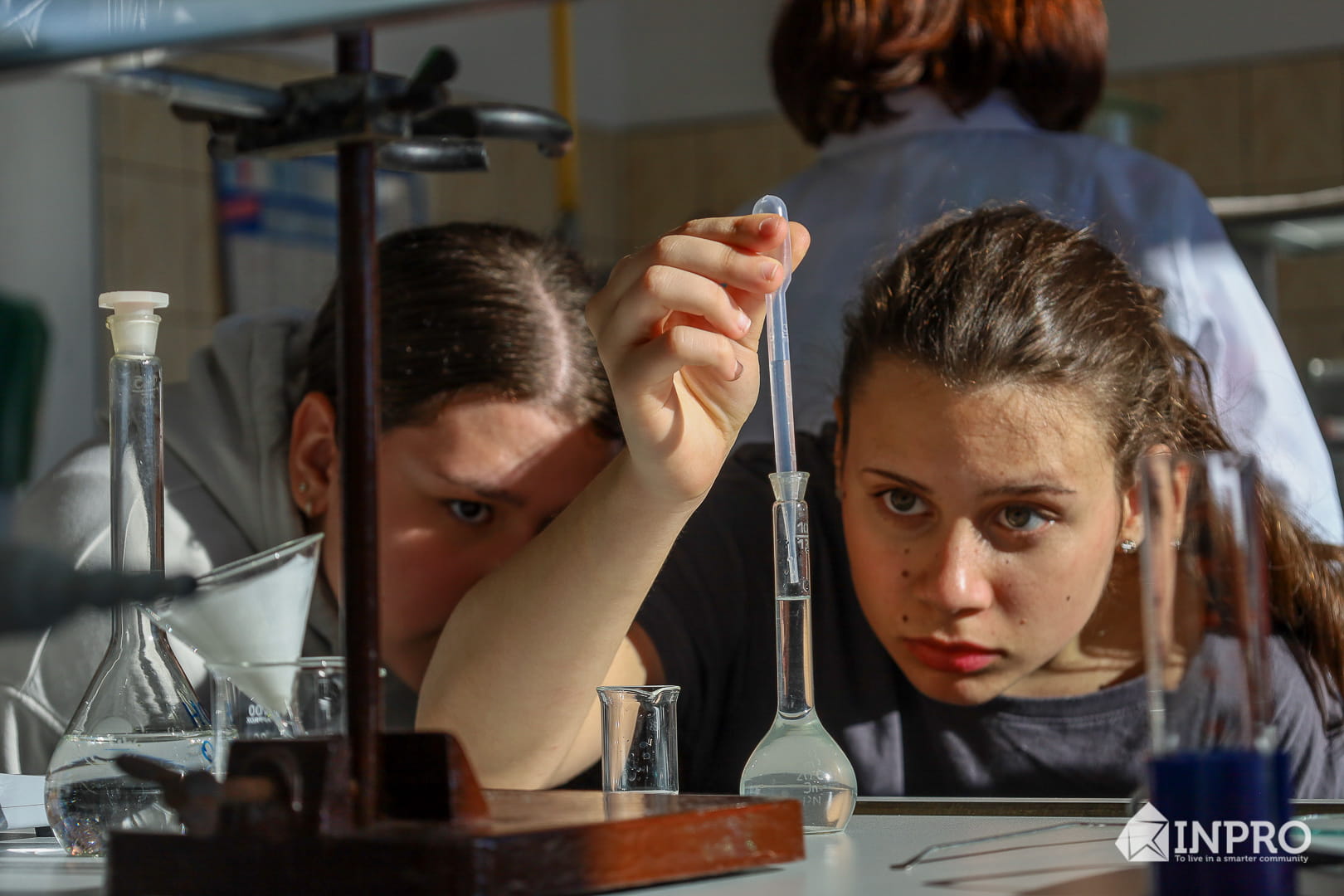
One of the key parts of the programme took place in the laboratories of the Faculty of Chemistry at Rzeszów University of Technology, where, under the guidance of Dr Dorota Naróg, students learned how to determine vitamin C content using titration. It was a chance to experience university-level laboratory work and conduct experiments on their own.
But chemistry in practice goes far beyond the laboratory. The group also visited the Municipal Water and Wastewater Company in Rzeszów and the Thermal Waste Treatment Plant with Energy Recovery operated by the PGE Group, where they could see how modern infrastructure supports environmental protection.
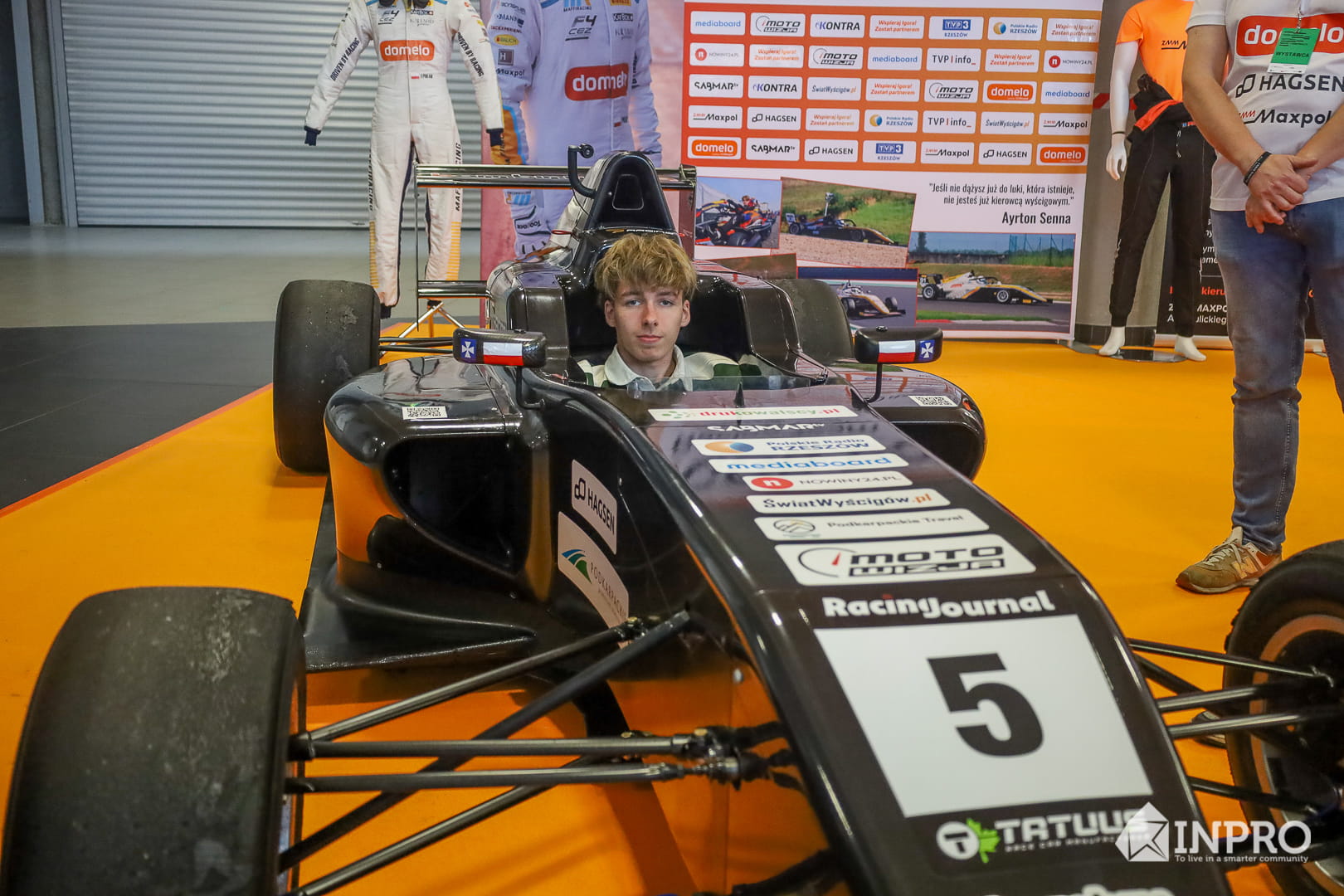
The programme also included places that present science in a more interactive way. During visits to the Podkarpackie Science Centre “Łukasiewicz” and the Podkarpackie Festival of Science and Innovation, students had the chance to experiment, explore and look at science from a different perspective.
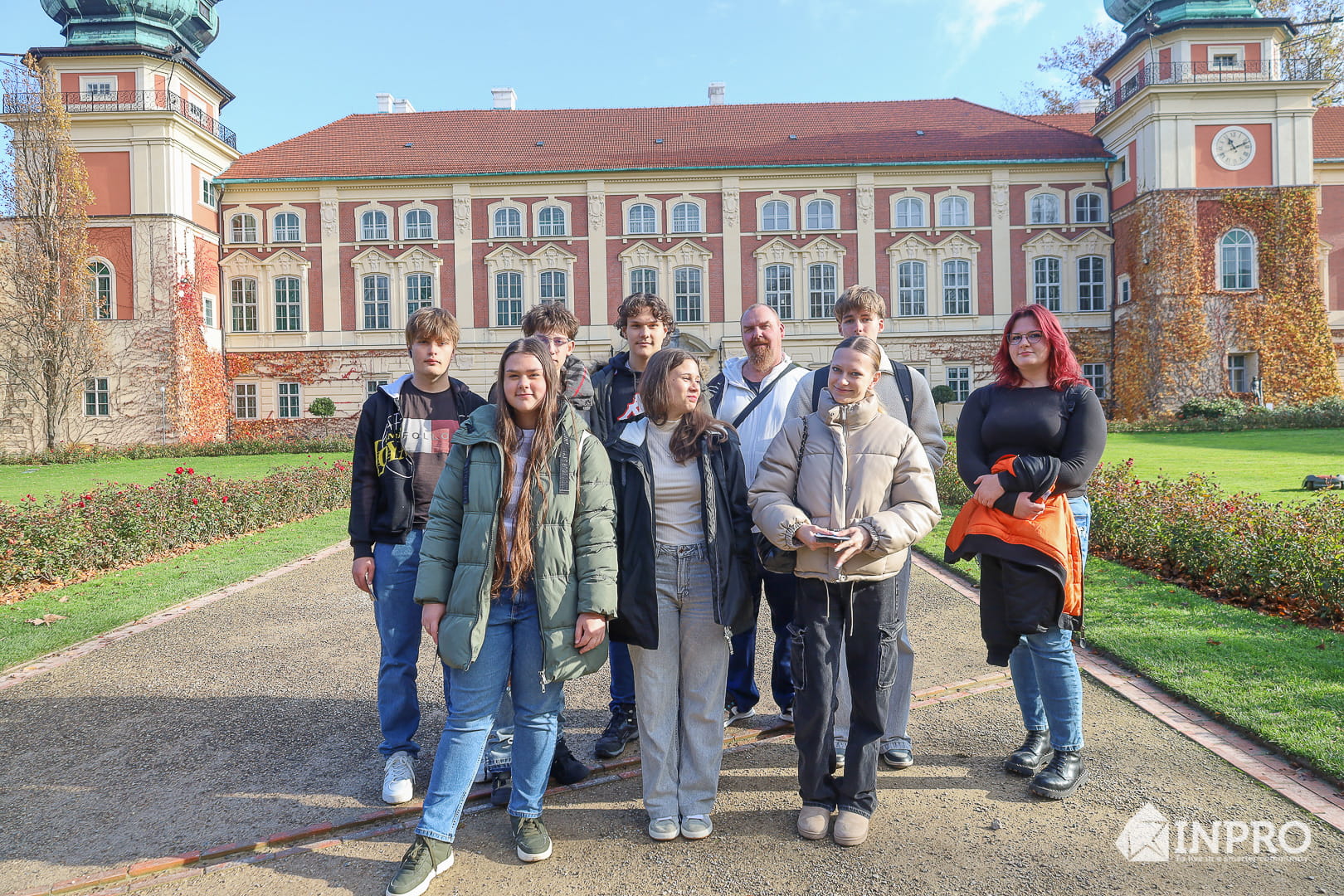
Of course, there was also time to discover the region. A shared walk through Kraków and a visit to the Łańcut Castle Museum allowed participants to experience a part of southern Poland’s history and culture.
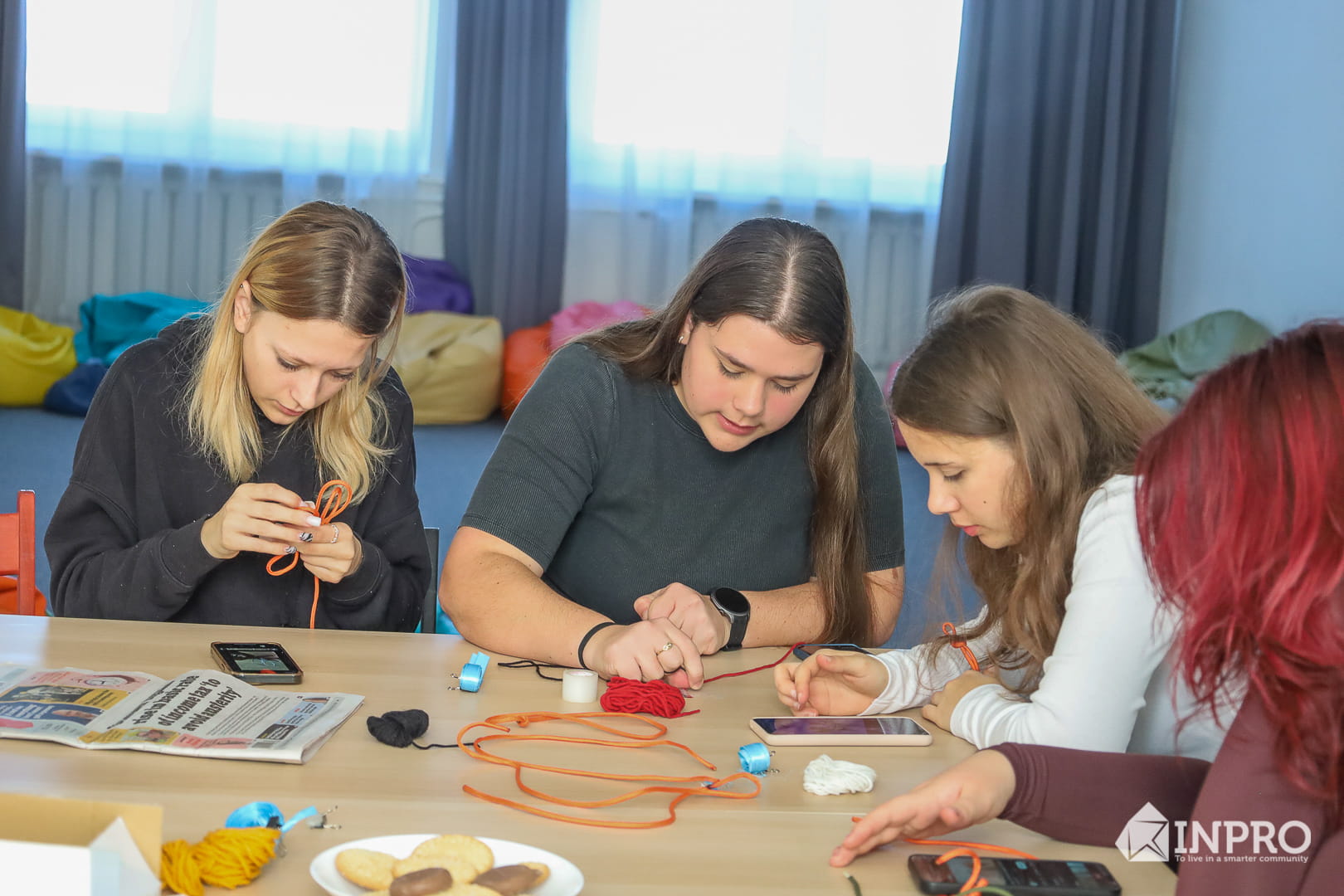
Each afternoon ended with language and personal development workshops led by Anna Paliichuk and international volunteers. These sessions were filled with conversations, laughter and opportunities to practise English while building confidence in an international environment.
For the school from Dunaújváros, this was their first Erasmus+ project – but, as Gergely said, certainly not the last.
The project was funded by the Erasmus+ programme.