Artificial Intelligence is no longer a distant concept from sci-fi movies or tech labs - it’s become part of our everyday lives. From the way we search for information to how we communicate, work, and even learn, AI quietly shapes our routines. So it’s no surprise that young people are increasingly curious about what this technology means for their future—and how they can take part in shaping it.
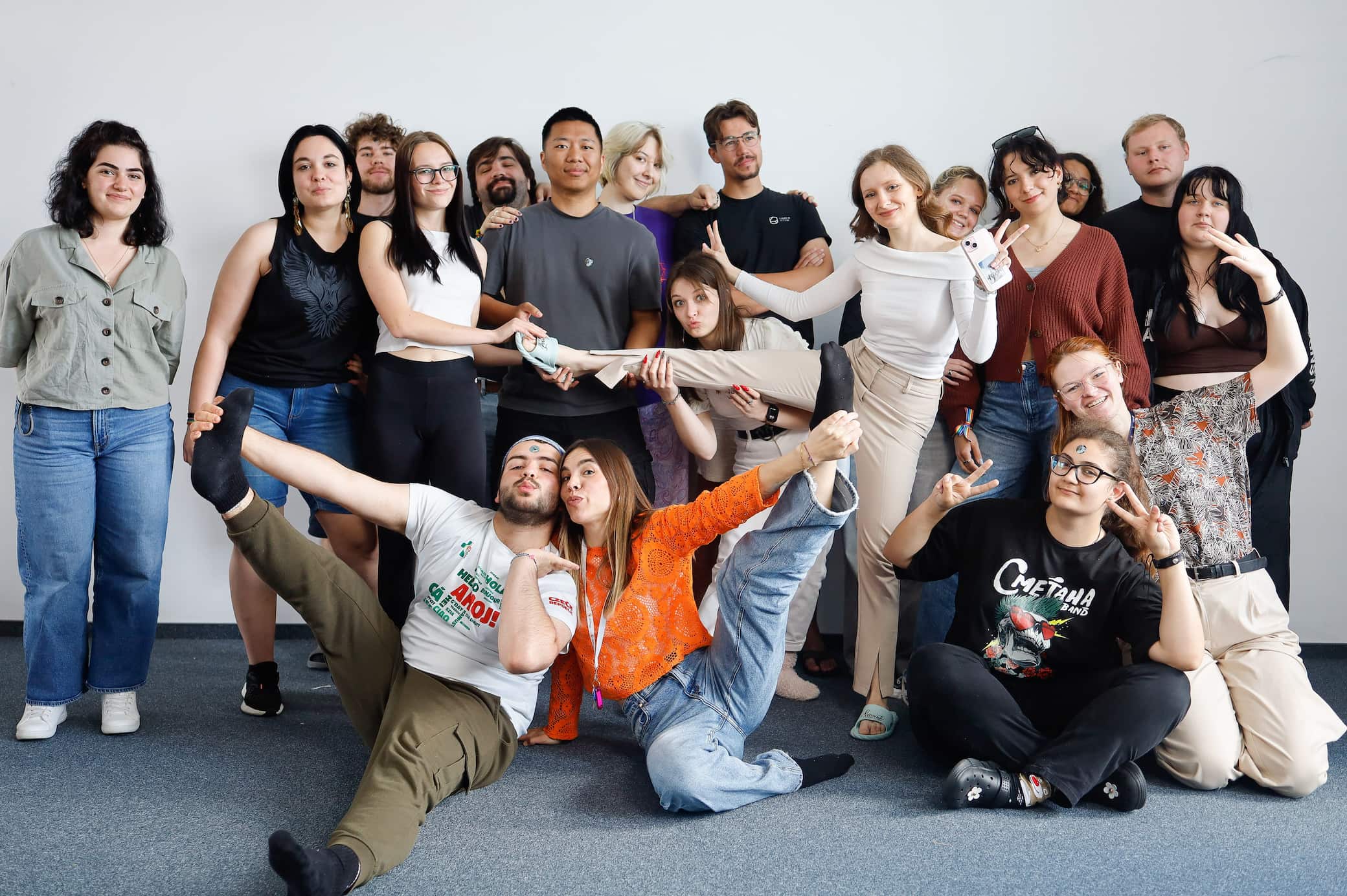
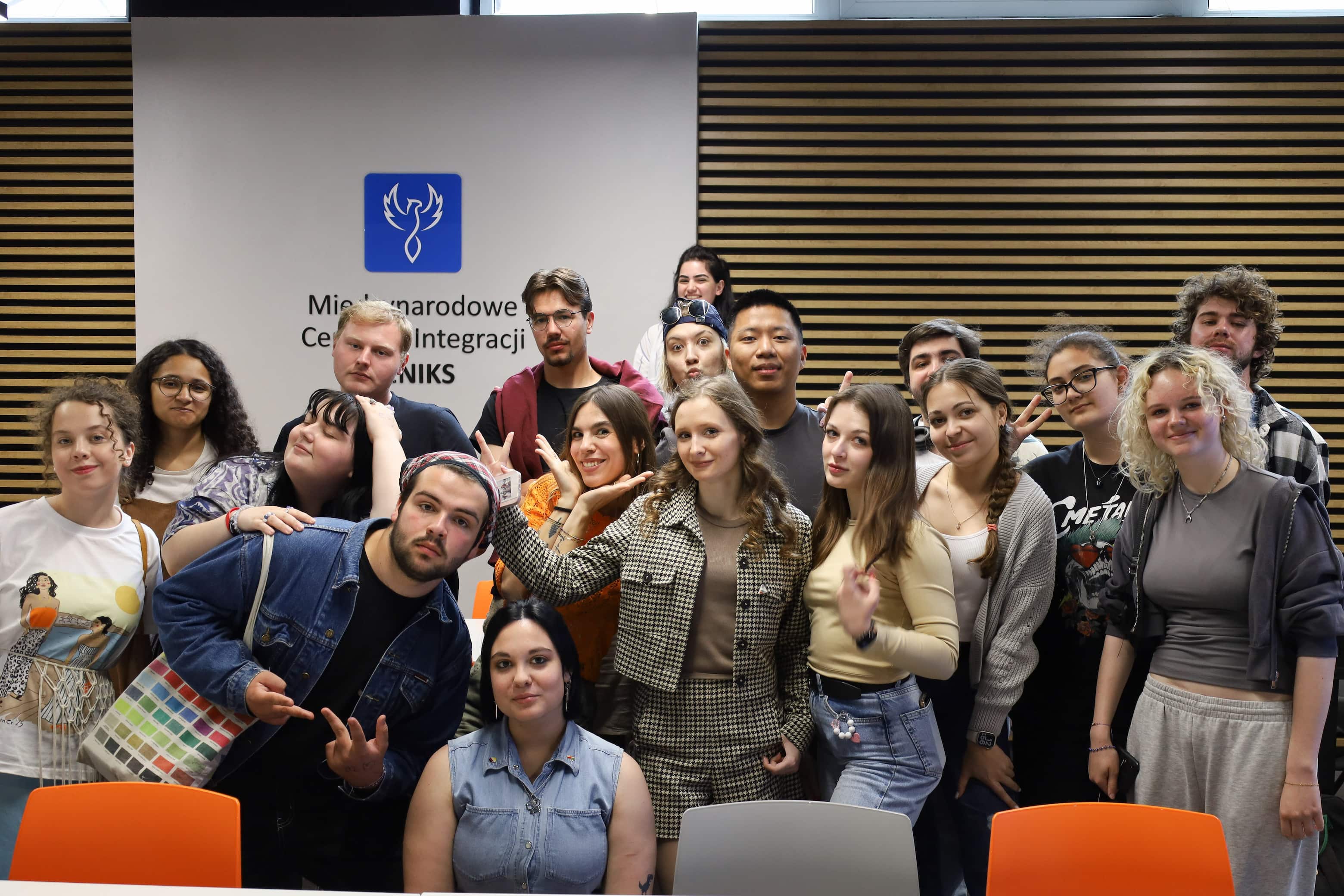
That’s exactly what brought together 20 young people from Hungary, Ukraine, the Czech Republic, and Poland for a week-long Erasmus+ youth exchange in Rzeszów, Poland. Hosted by INPRO, “FutureMinds: AI for a Better Tomorrow” was a space for discovery, creativity, and cross-cultural exchange - all centered around one big question: how can we use AI to make a positive difference?
Throughout the week, participants explored both the possibilities and the dilemmas of Artificial Intelligence. They learned how AI works, where it shows up in daily life, and how it’s already changing industries like education, healthcare, and the environment. But beyond the technical side, there were deeper conversations—about ethics, bias, data privacy, and the risks of relying too heavily on algorithms.
One of the most engaging moments was when participants co-created a prompt bank: a hands-on tool designed to help others use AI more effectively and responsibly. It wasn’t just about learning what AI is, but how to use it well—and with intention.
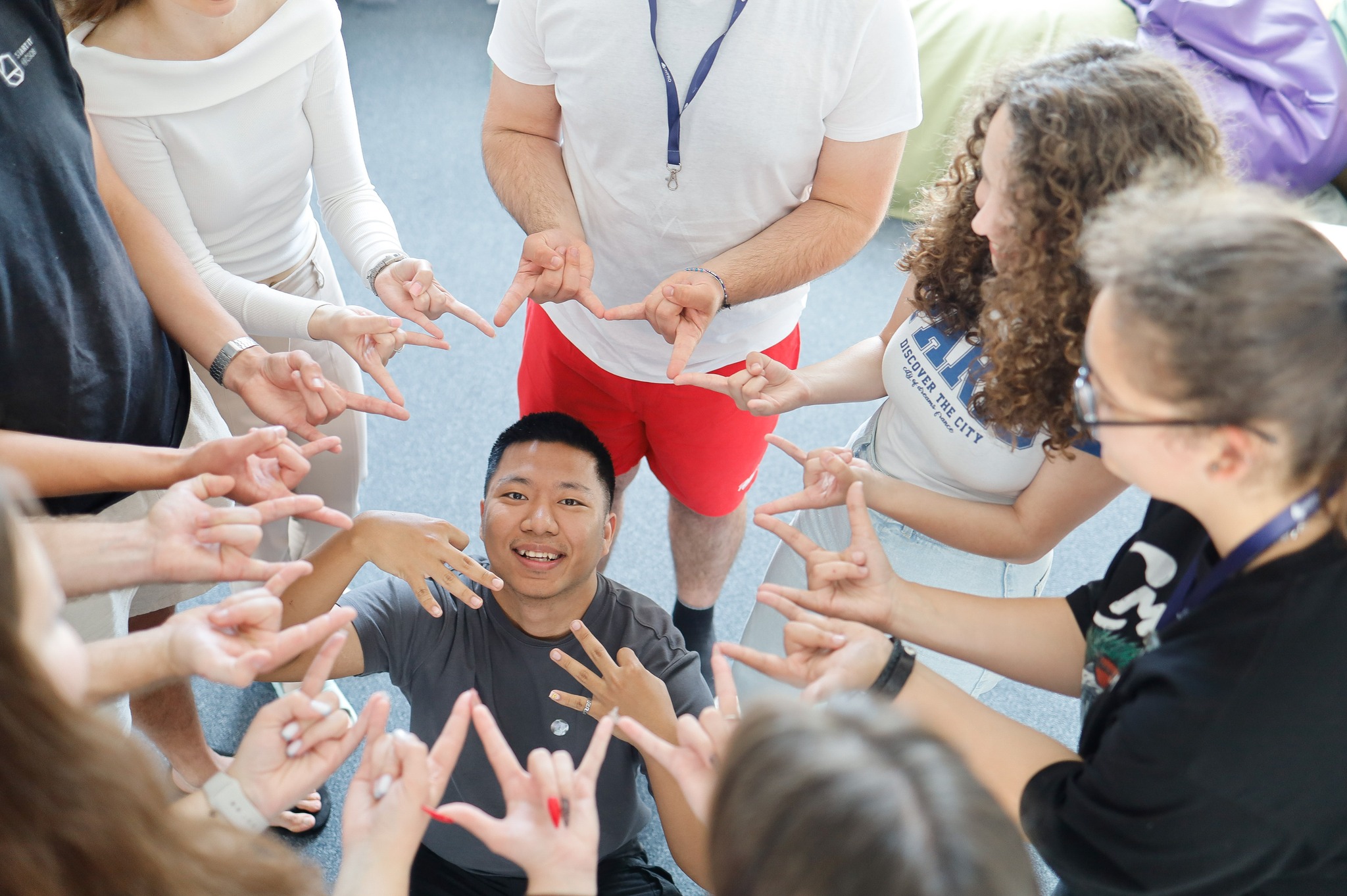
Creativity played a big role, too. In one session, participants worked in teams to build fictional future scenarios involving AI, which they brought to life through short theatrical performances. It was a playful and powerful way to explore how storytelling and tech can come together to spark ideas and challenge assumptions.
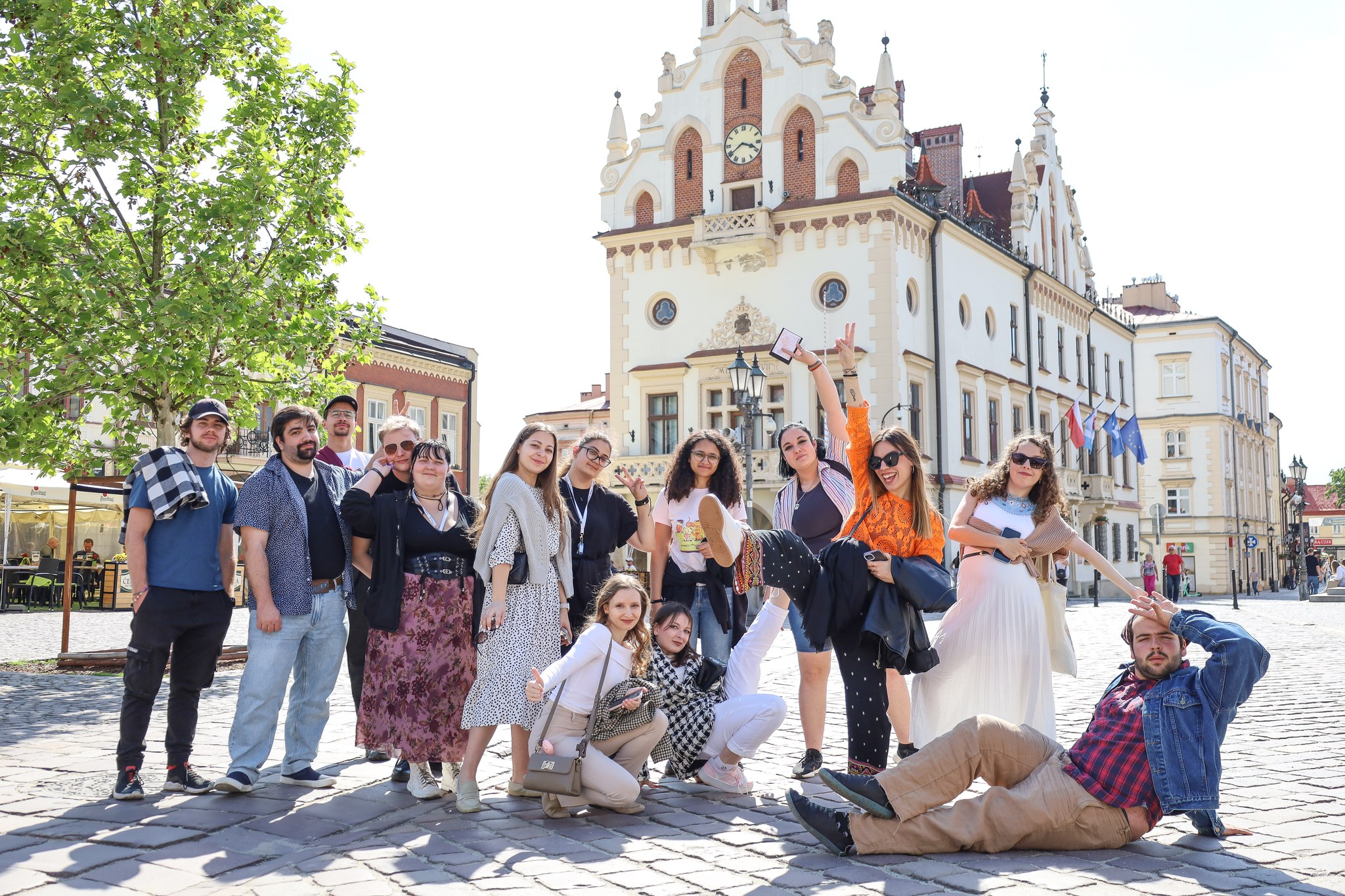
There was also time to connect with the local culture. A walk through Rzeszów’s historic old town and a visit to the underground Cellars added depth to the experience, reminding us that progress and tradition can go hand in hand.
As the week drew to a close, attention turned to practical tools: how AI can support young people in accessing opportunities like Erasmus+—from writing motivation letters to finding the right projects. The exchange ended on a high note, with participants reflecting on what they’d learned, what surprised them, and how they plan to apply these insights in their own lives.
“FutureMinds” was more than just a project about technology—it was about empowerment. It showed that when young people come together with curiosity, creativity, and a sense of purpose, they can become not just users of technology, but active shapers of a better future.
This project was made possible with the support of the European Union through the Erasmus+ program.