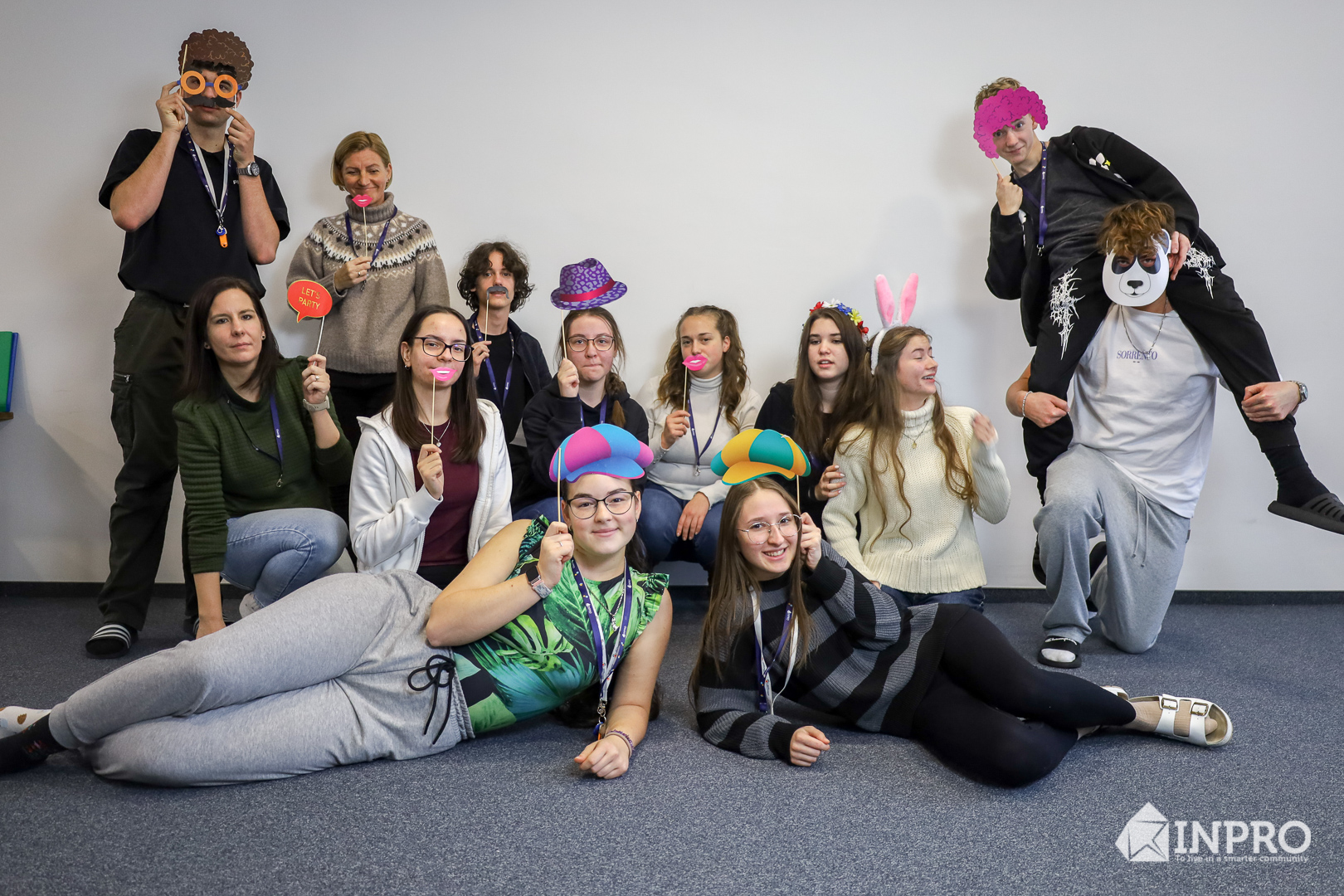
In December 2025, Rzeszów became a place of learning and discovery for a group of students from the Hungarian school Roth Gyula Erdészeti Technikum, Szakképző Iskola és Kollégium in Sopron. The group joined us as part of the Erasmus+ VET programme, exploring environmental protection not only through theory, but above all through practical experience. There are many ways to talk about environmental protection. You can read about it in textbooks, analyse data and reports, or listen to lectures. But you can also see how it works in practice - in laboratories, industrial facilities, water treatment plants or school workshops. This idea shaped the programme during their stay in Rzeszów.
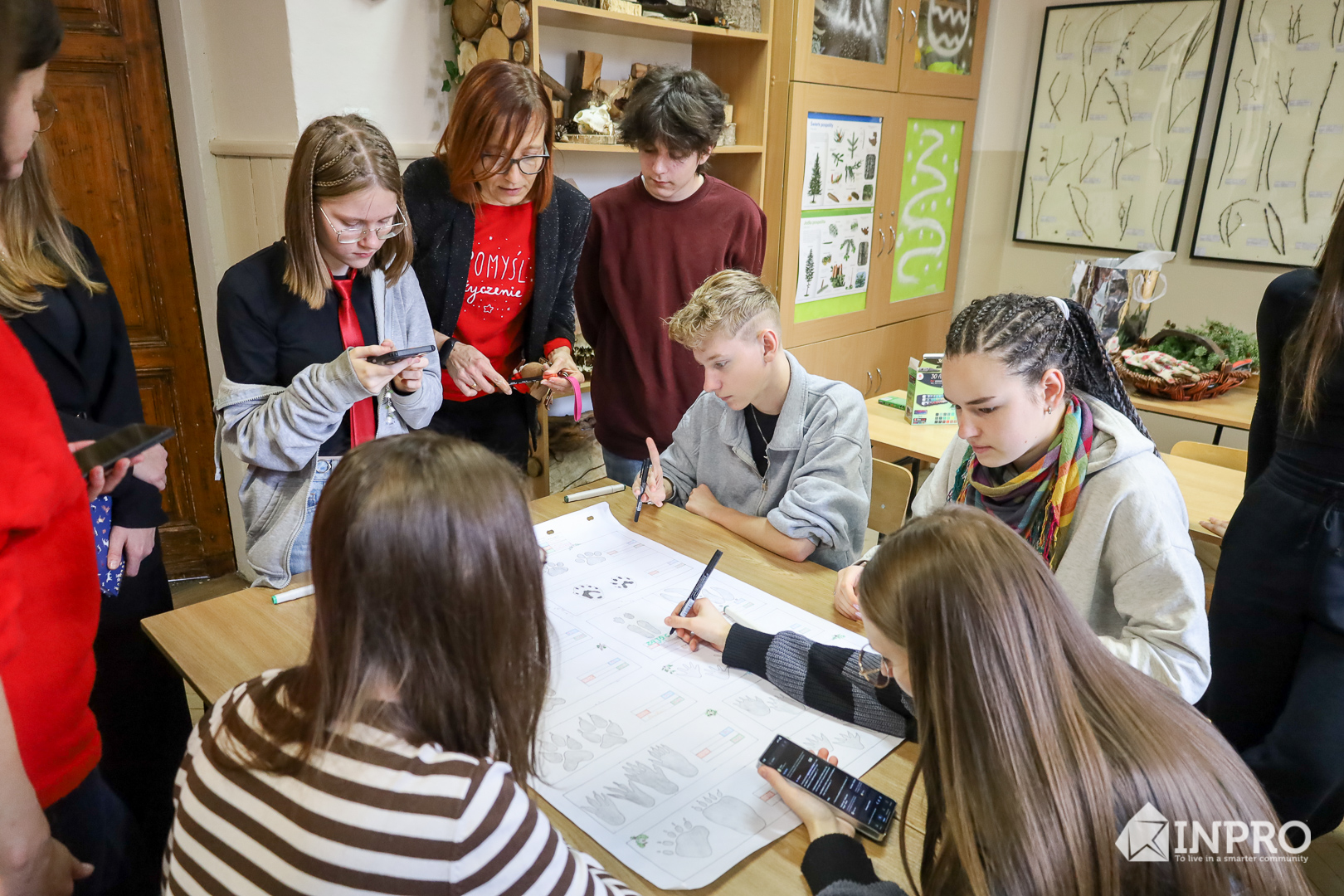
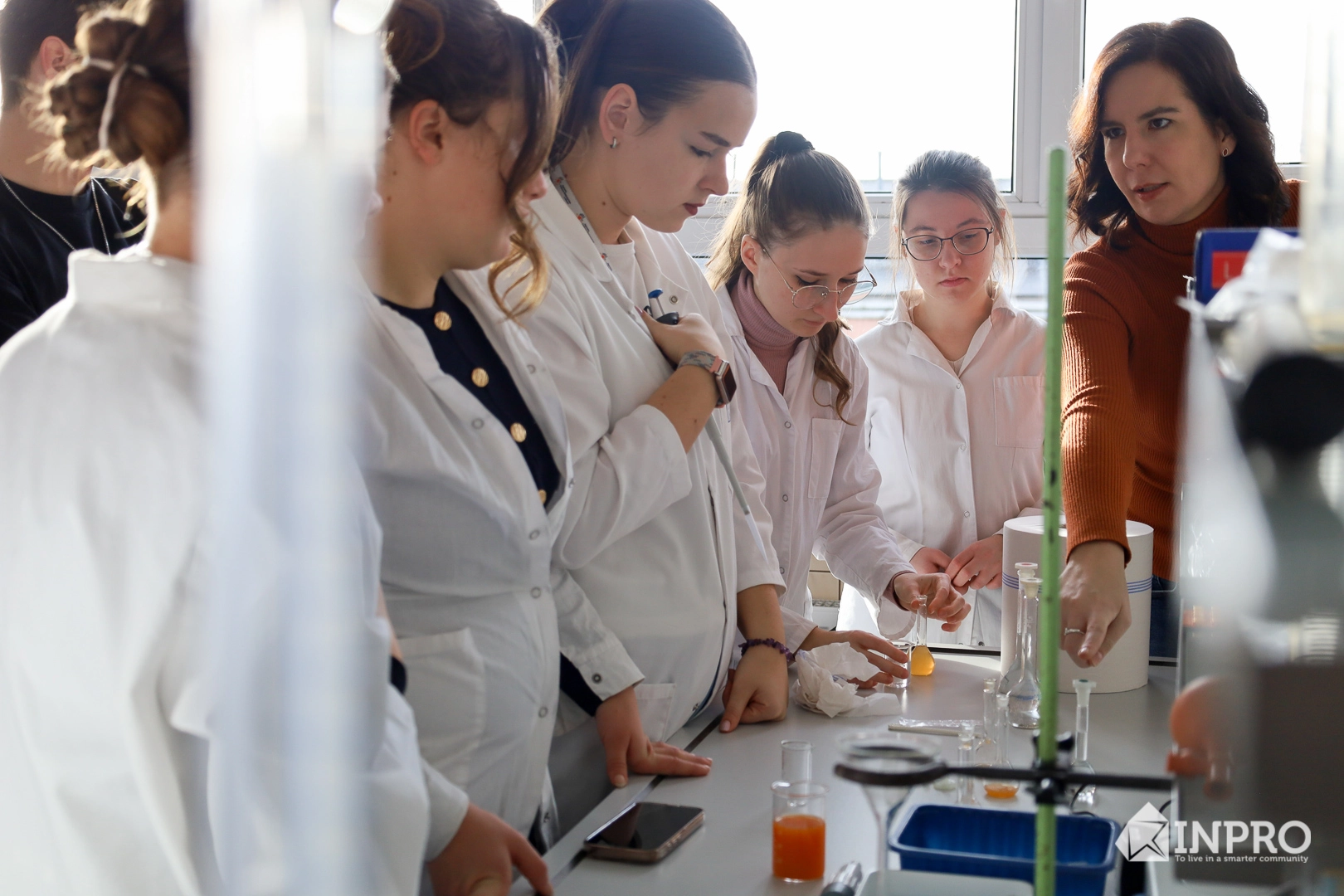
One part of the programme took place at the Rzeszów University of Technology, where students participated in chemistry workshops led by Dr. Dorota Naróg. Instead of simply listening to explanations, they had the chance to work with experiments and observe how scientific knowledge helps us understand processes connected to environmental protection. At another point in the programme, the group explored environmental issues from a different perspective during a visit to a PGE facility, where they learned about thermal waste treatment with energy recovery. They also visited a wastewater treatment plant, where they could see how modern infrastructure helps protect the environment on a daily basis. The programme also included a day at the Agro-Entrepreneurship School Complex in Rzeszów, where Hungarian students met their Polish peers. The day included joint lessons, workshops about plants and informal conversations that quickly turned into an exchange of ideas and experiences.
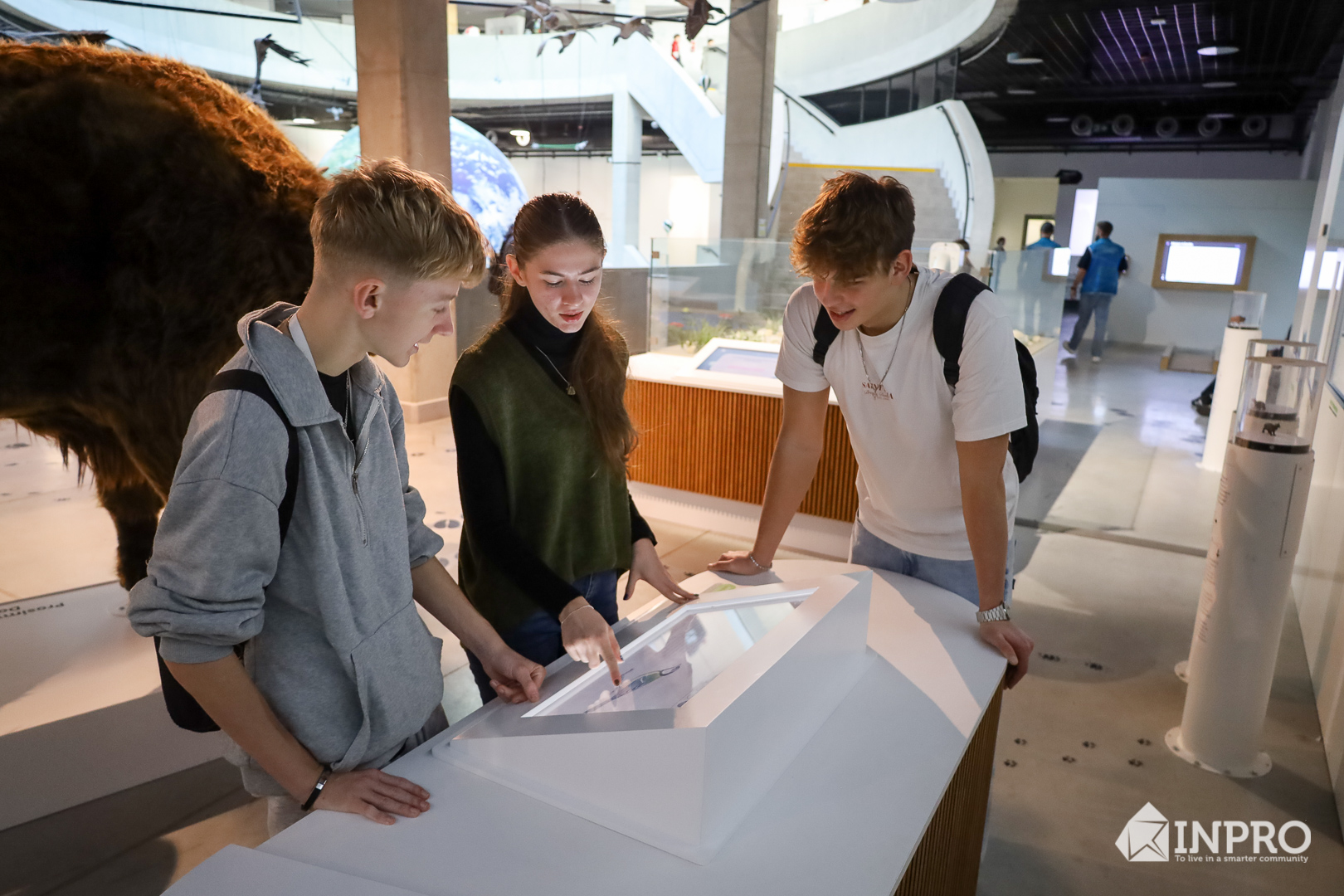
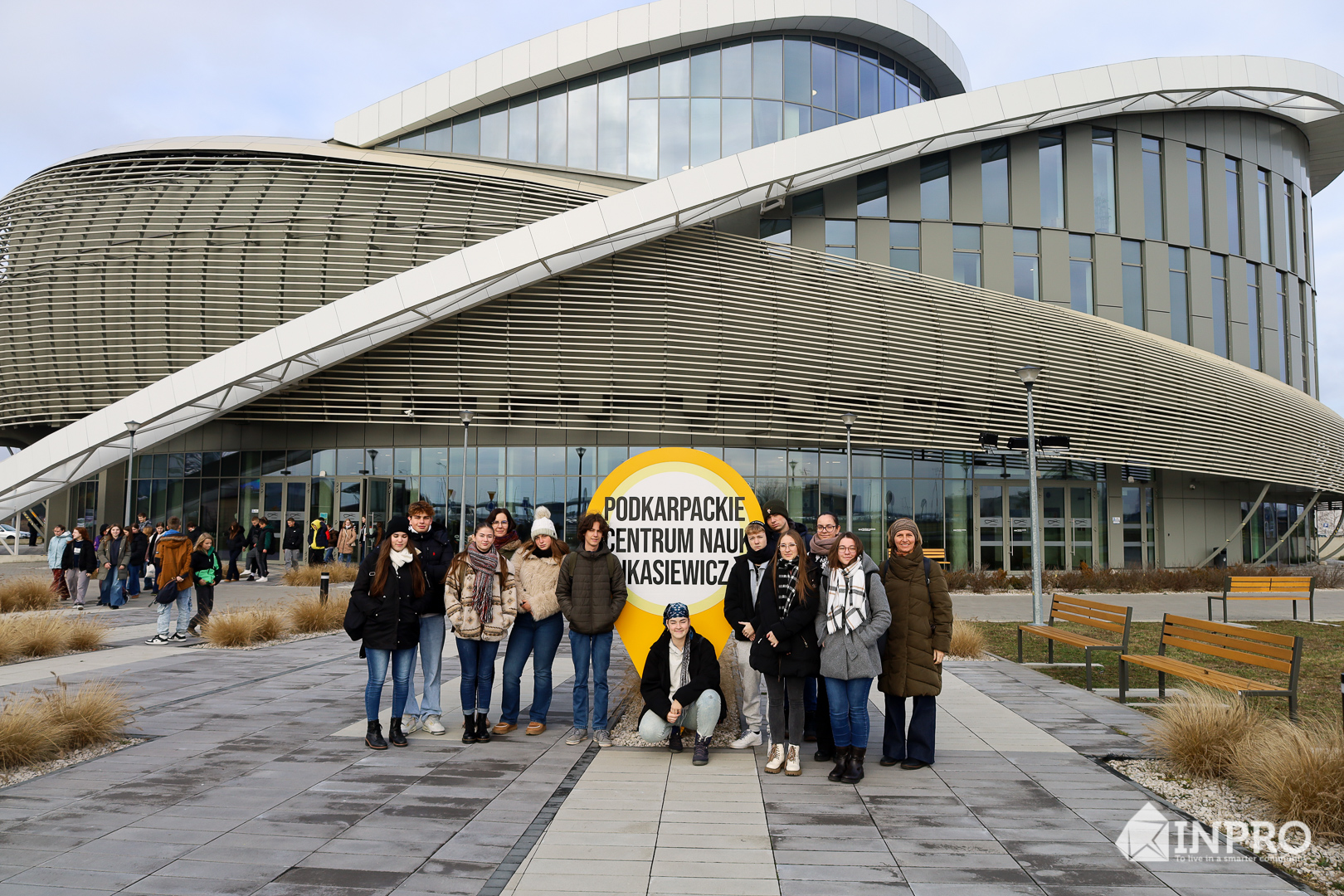
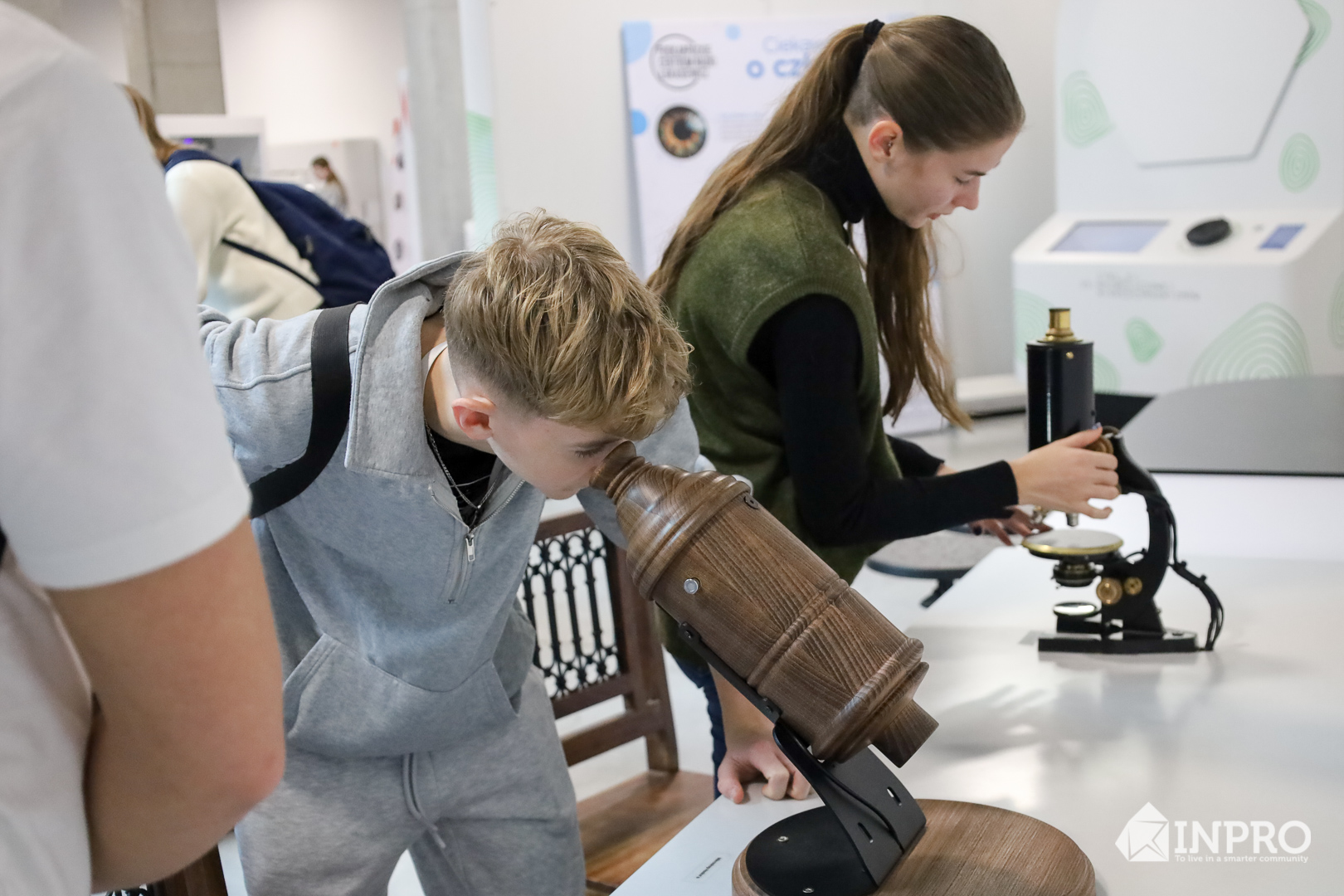
Another stop was the Podkarpackie Science Centre “Łukasiewicz”, where interactive exhibitions allowed students to explore scientific concepts through experimentation and hands-on activities.
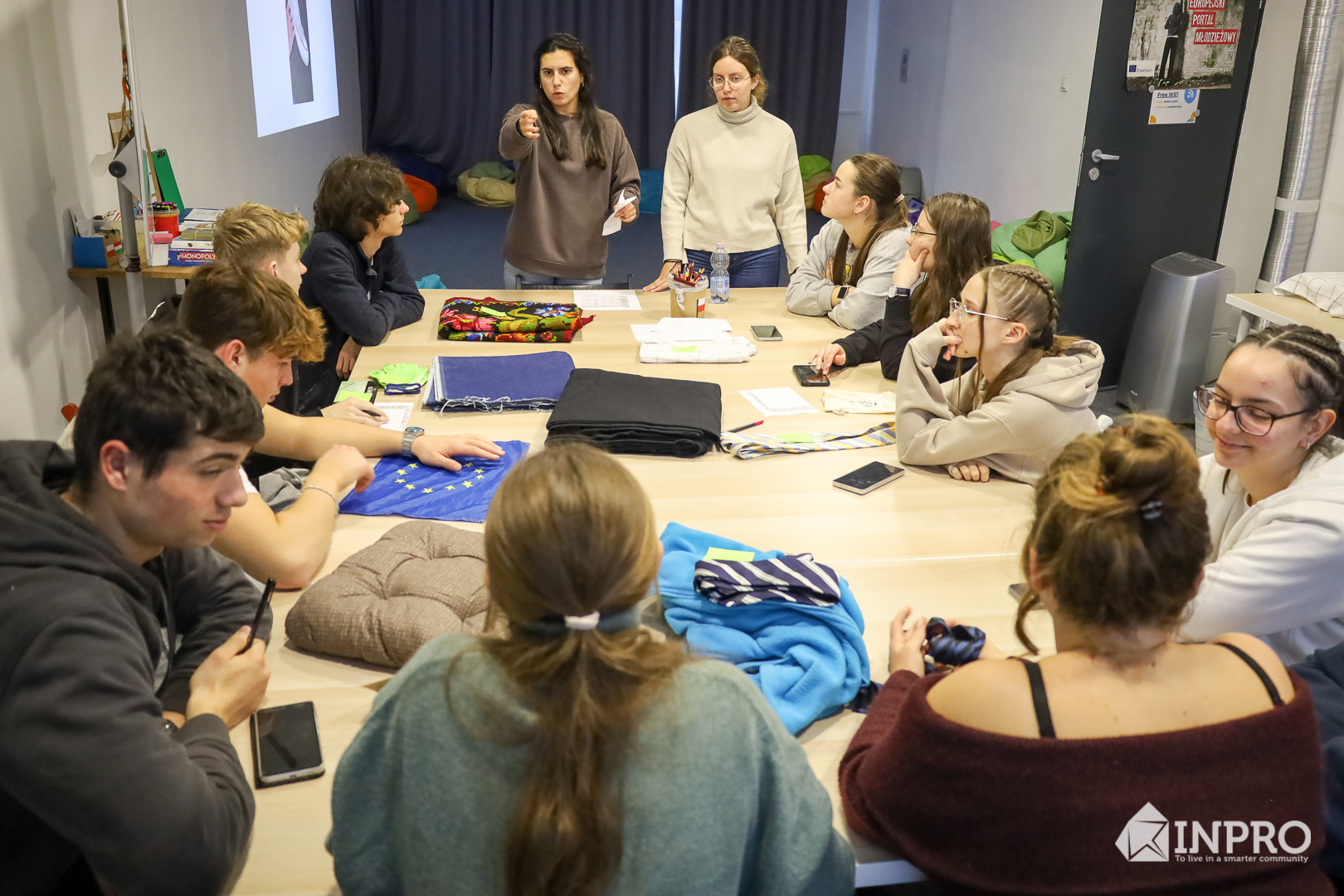
Afternoons looked a little different. They were dedicated to workshops with volunteers, language activities and discussions about environmental topics. Students also had the opportunity to learn more about European programmes such as Erasmus+ and international volunteering opportunities.
Of course, there was also time to discover the region. A visit to the Rzeszów Underground and a trip to Kraków gave the group the opportunity to explore the history and culture of southern Poland. For many participants, this was the first time they could see how broad the field of environmental protection really is. Not just a subject taught at school, but an area that connects science, technology, industry and everyday choices people make.
We are happy that we could be part of this experience.The project was funded by from the budget of the European Union.