Communication sounds like a topic we all know well. We talk every day, listen, respond, write messages and react to what others say. It seems simple. And yet, once we take a closer look, it quickly turns out that quite a lot can happen between what we want to say and what the other person actually hears.
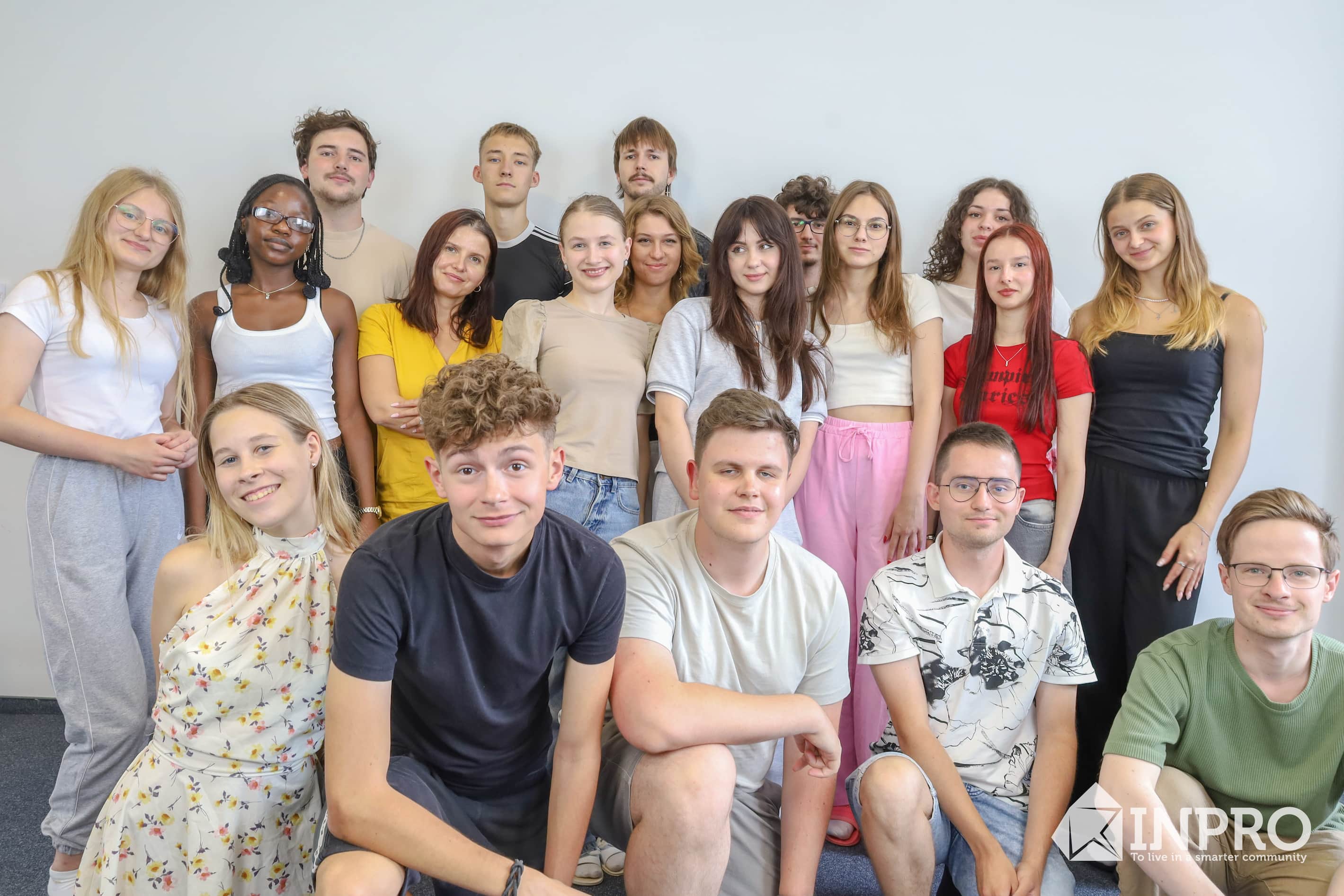
This was the focus of Communication Unplugged - Mastering In-Person Connection, an international Erasmus+ training course that brought together participants from Poland, Czechia, Slovakia, Ukraine and Hungary in Rzeszów. Over several intensive days, we worked on direct communication: everyday, human-to-human and often obvious only at first glance.
Why “unplugged”?
For us, “unplugged” meant going back to conversation in its most basic form: face to face, without filters, shortcuts or the option to quickly scroll away. It was not about criticising online communication, but about reminding ourselves that behind every statement, reaction or opinion, there is a real person with their own emotions, experience and way of looking at the world.
Tone of voice, silence, gesture, eye contact, misunderstanding, the attempt to clarify something, the willingness to listen to the other person, all these are elements of communication that cannot be fully captured by words alone. And this is exactly why they are worth learning about.
What did we do?
During the training course, participants explored what helps us understand ourselves and others better. We worked on active listening, emotions in conversation, interpretations, assumptions and how easy it can be to hear something different from what the other person actually wanted to say.
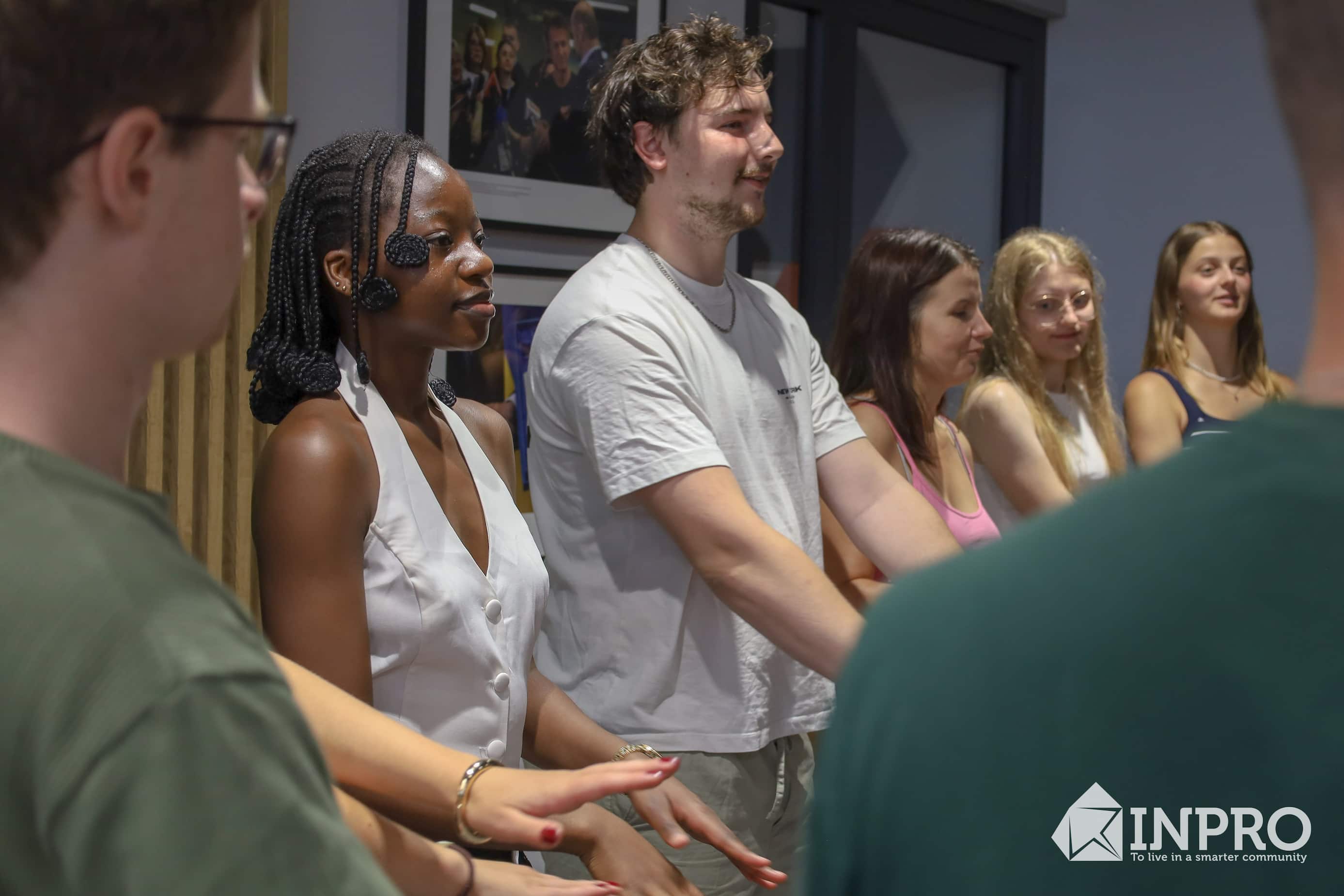
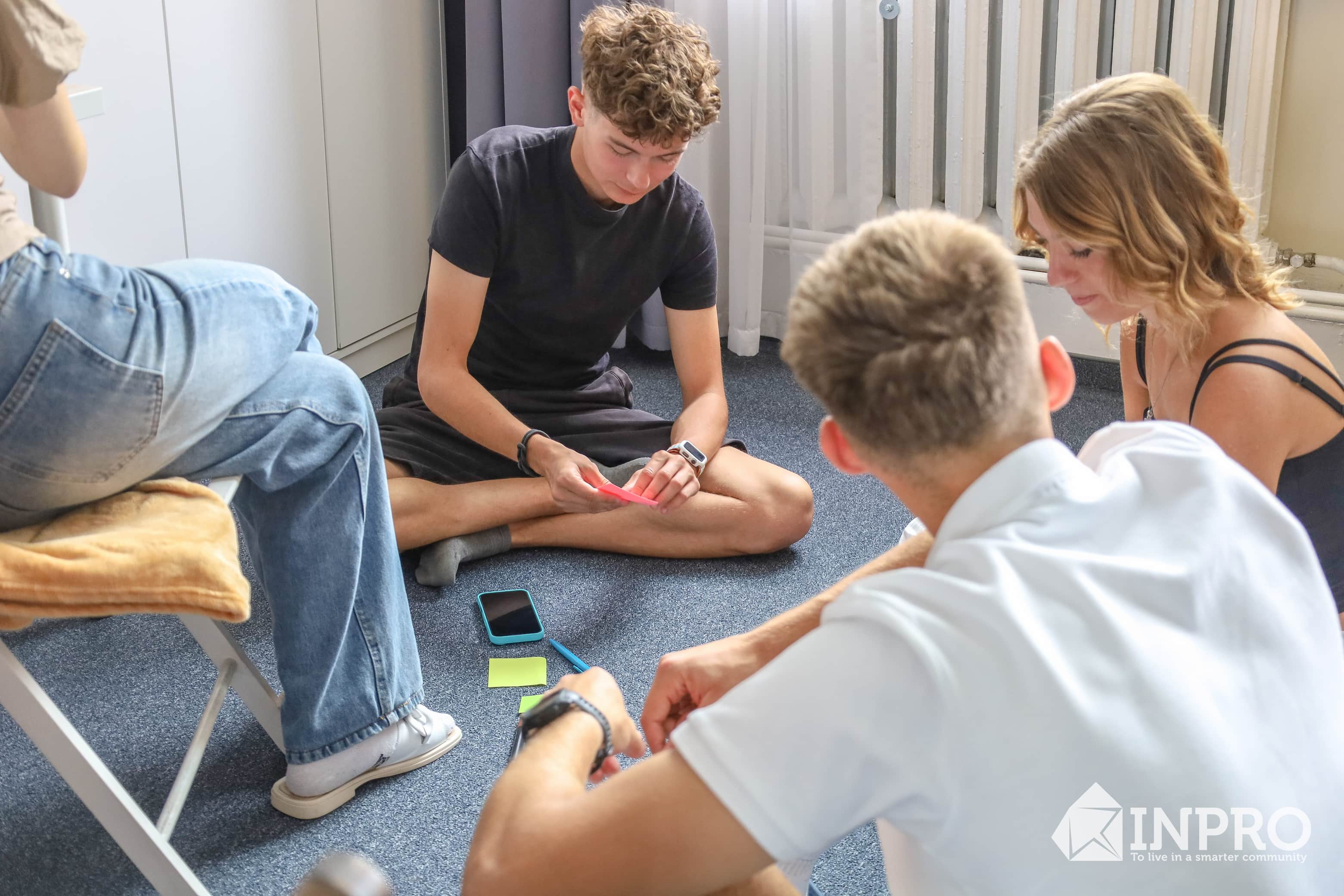
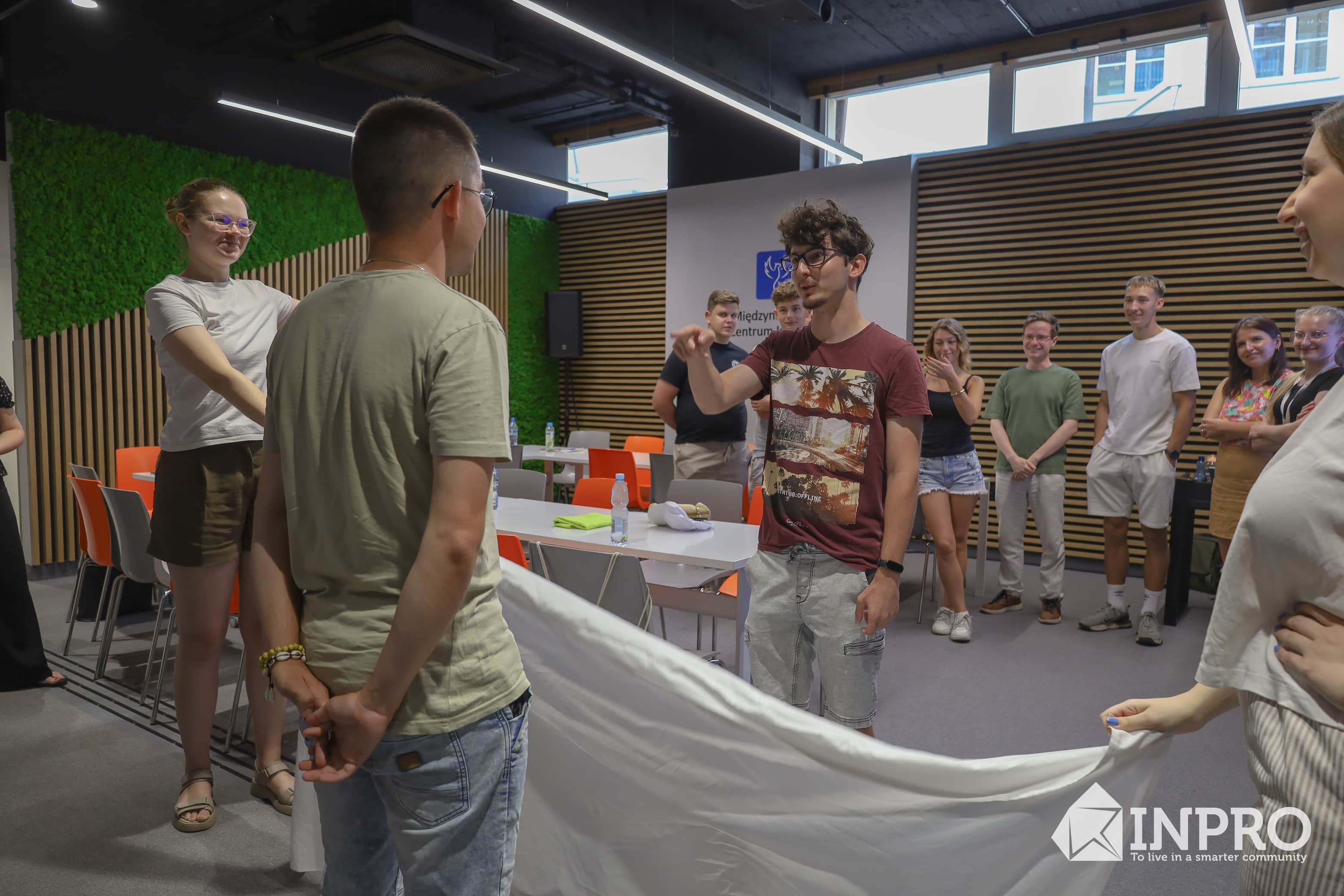
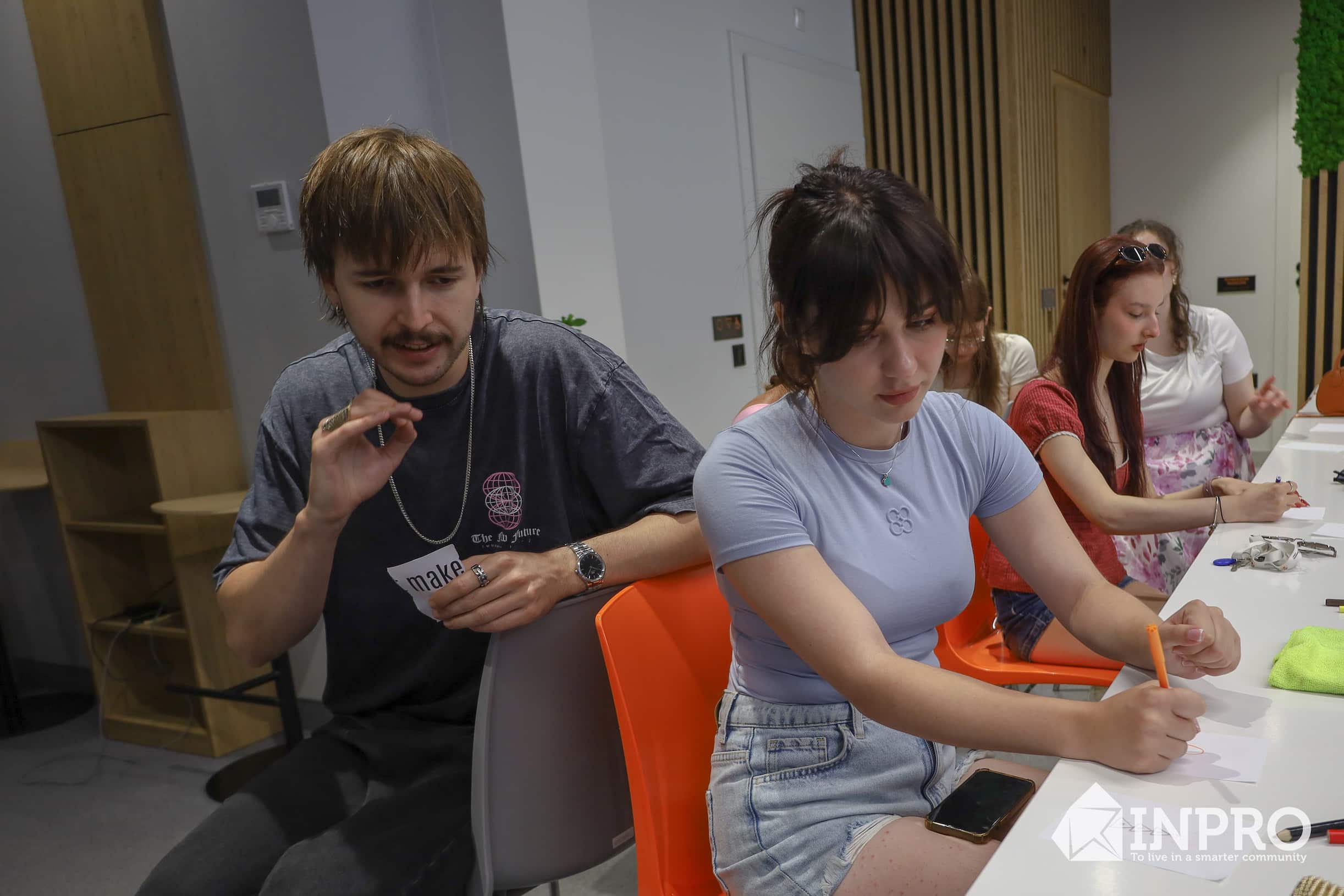
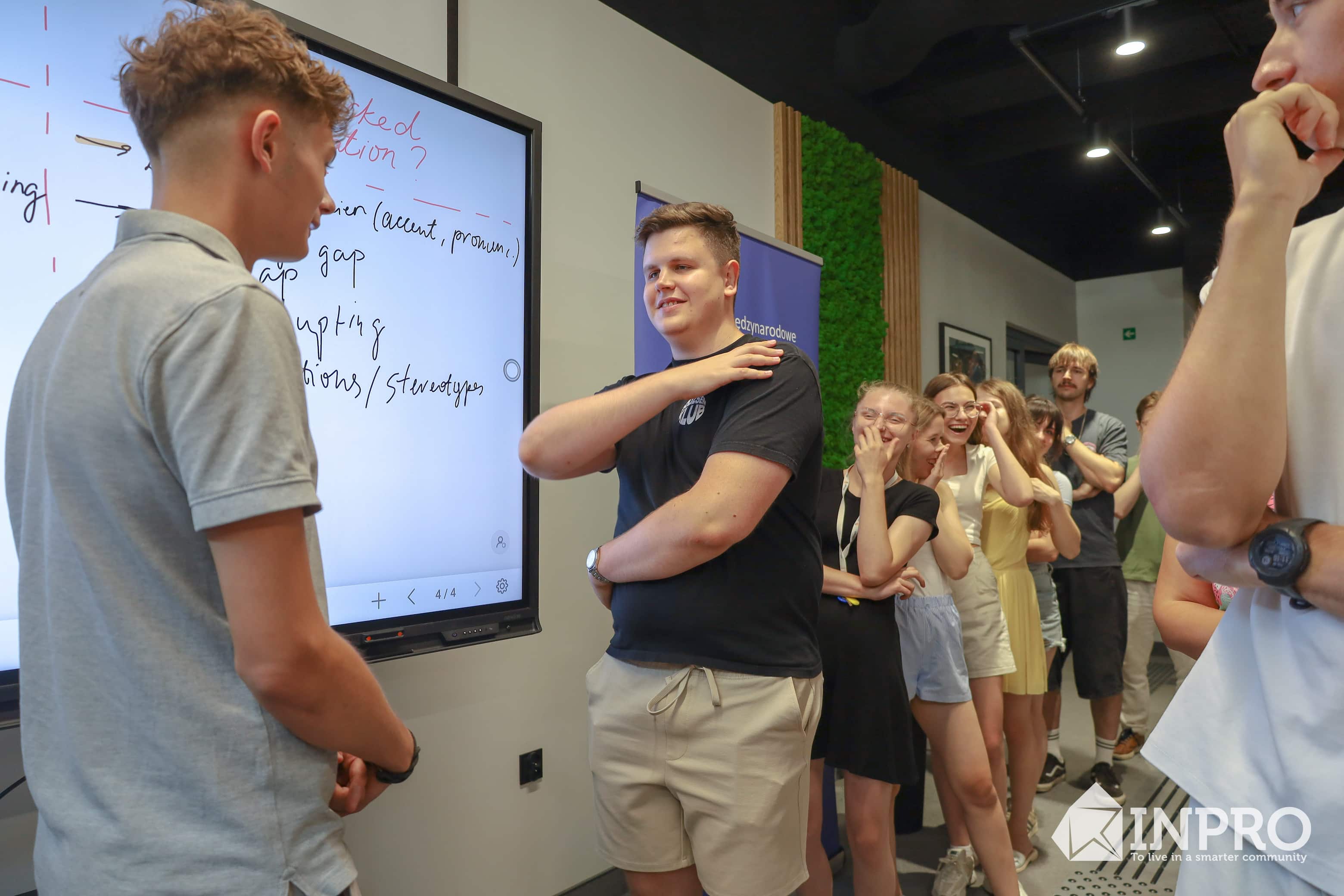
There were many practical exercises, group work, discussions, reflections and situations where participants could test different ways of responding. They analysed everyday communication scenarios, practised more attentive listening, clear expression of thoughts and speaking to a wider audience in a responsible and authentic way.
Youthpass was also an important part of the training process, helping participants reflect on what they were really learning: about communication, cooperation, themselves and working in an international team.
Communication as a real meeting
In projects like this, the topic does not end in the training room. Communication happens all the time: during workshops, breaks, shared meals, conversations after sessions and everyday situations that require cooperation.
Bringing together people from different countries made the training not only a space for working on communication tools, but also a very practical intercultural experience. Because it is difficult to talk about good communication without being open to a different perspective.
Communication Unplugged reminded us that a good conversation is not always about saying more. Sometimes it is about listening more carefully, asking better questions, responding more calmly and leaving a little more space for the other person.
The project was implemented with the financial support of the European Union within the Erasmus+ programme.