In April, we were pleased to welcome a group of logistics students from the Hungarian Rázsó Imre Technikum, who participated in the Erasmus+ VET programme. Their period in Rzeszów became a meaningful opportunity to step outside the classroom and experience learning in a real, international context.
Throughout their time here, the students were able to observe and better understand key logistics processes as they are applied in practice, gaining insight into how work is organized in a different professional environment. Alongside the technical aspect, their experience was also shaped by everyday interactions and cultural exchange, which helped them develop a wider perspective on collaboration, communication, and working across cultures.
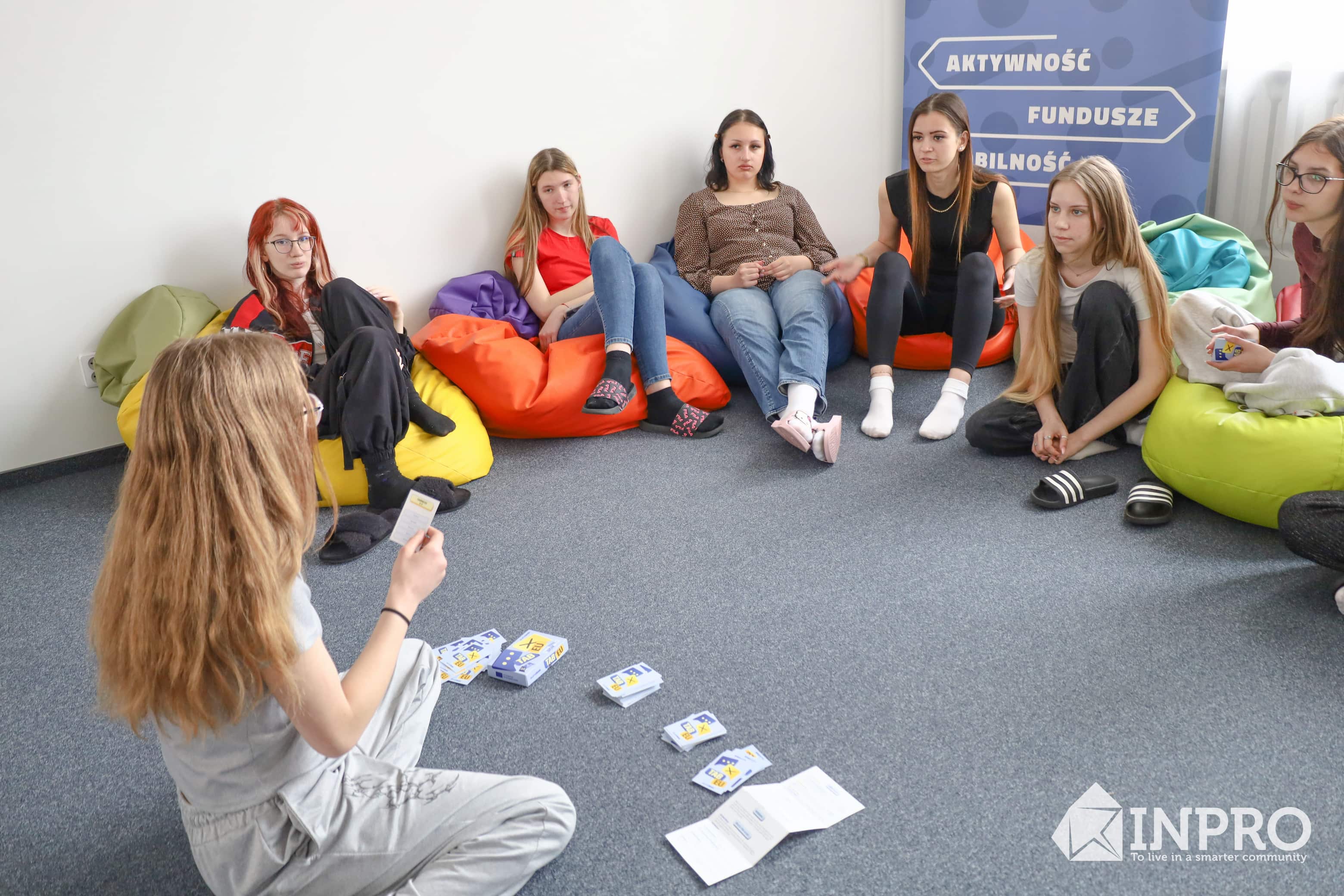
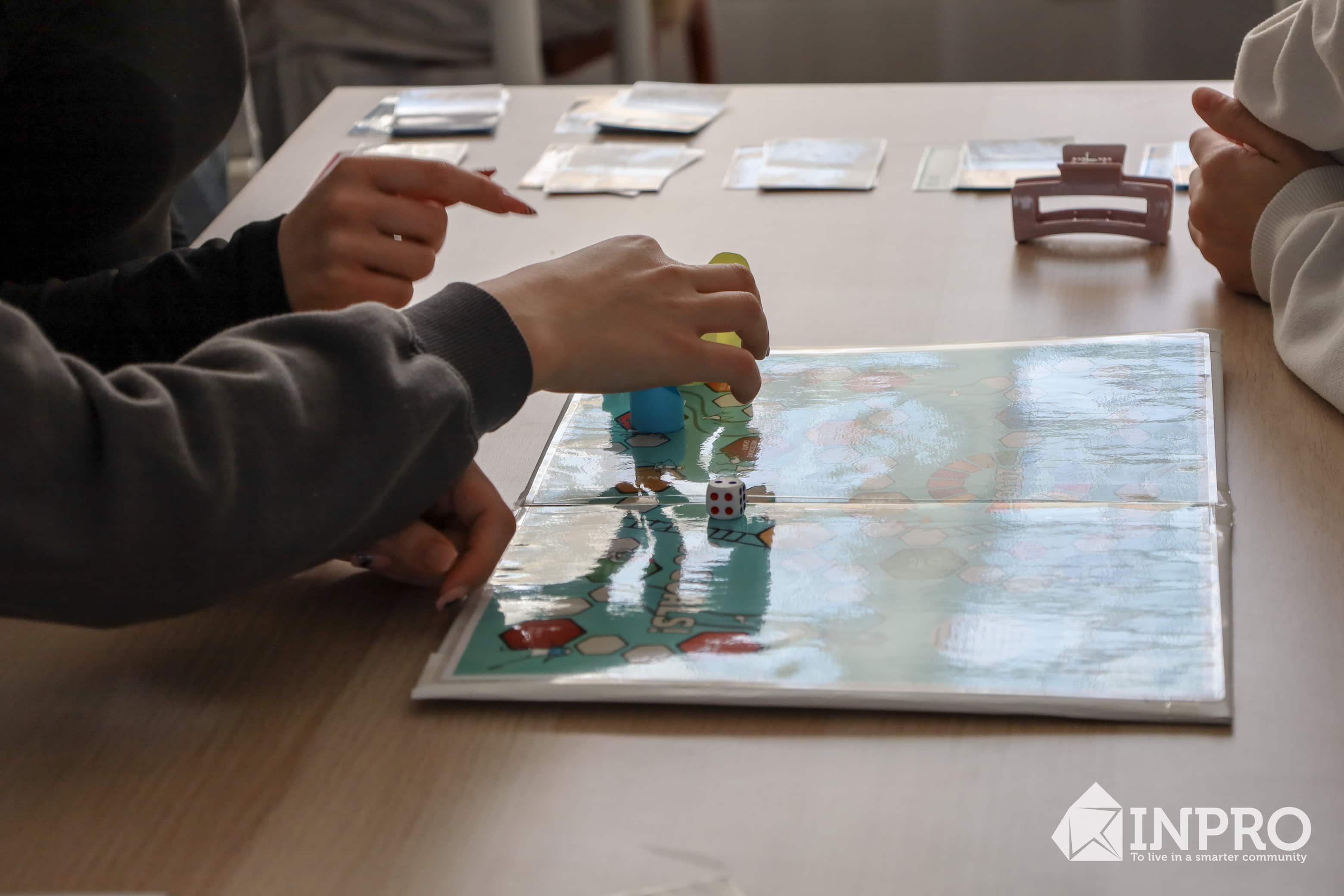
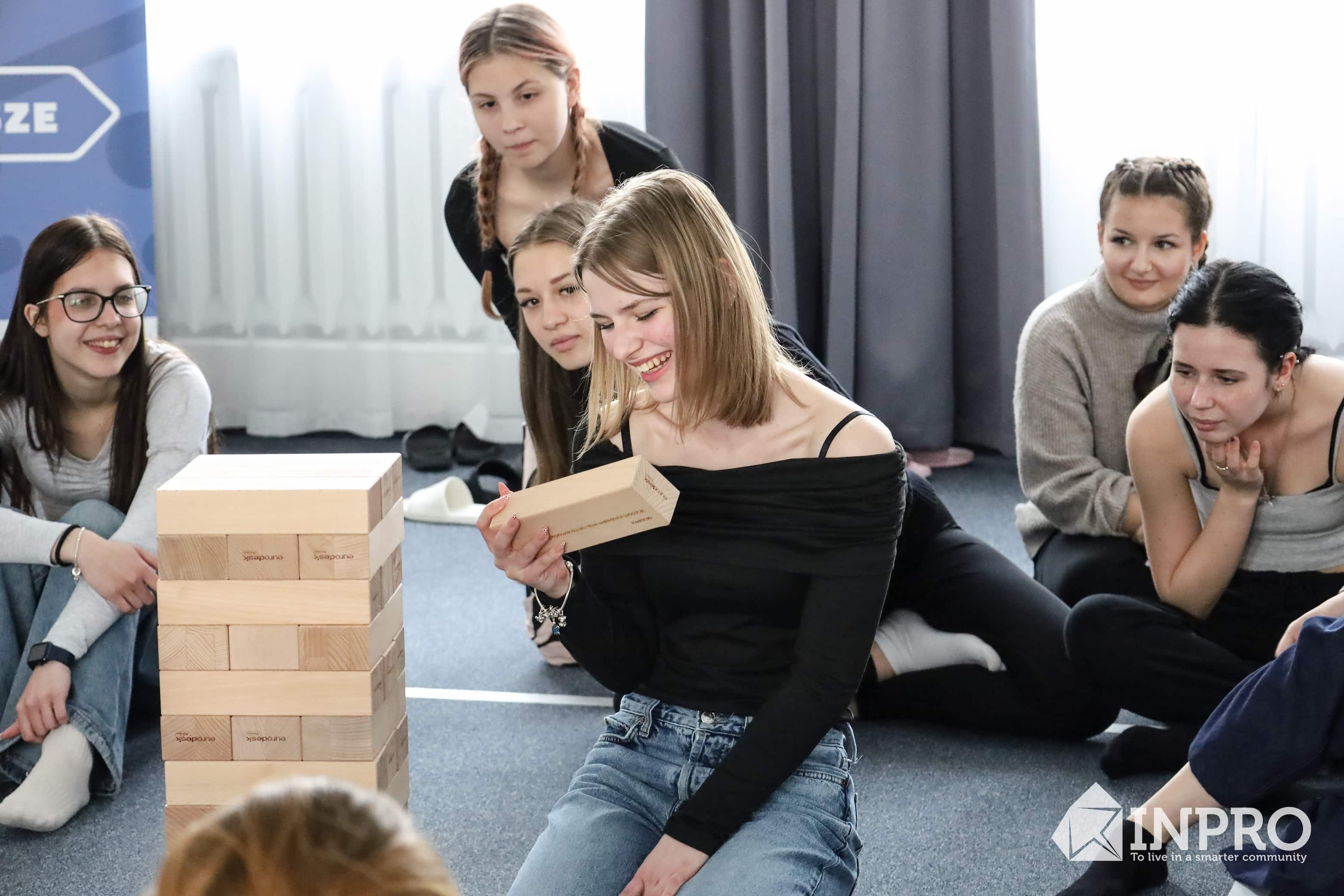
From the very beginning of the first week, the focus was on helping participants connect with each other. Through team-building workshops, the students were able to find common interests and experiences, slowly building a strong sense of group unity. After that, they took part in a guided city tour, which showed them both the historical and modern sides of Rzeszów, from old trade routes to important landmarks, and helped them get a first understanding of the city’s culture and social life.
Over the weekend, the students also had the chance to visit Kraków, one of Poland’s main centres of academic, cultural, and artistic life. This visit allowed them to experience a city where a rich historical heritage meets a lively and dynamic atmosphere, offering a broader perspective on the country’s cultural identity.
At School Complex No. 3 in Rzeszów, the students visited the Dairy Museum and joined English classes, getting a closer look at the local education system while sharing ideas and experiences with Polish peers. In the afternoon, they took part in a workshop on sustainable tourism, where they were encouraged to think about responsible travel, including respecting local cultures, supporting small businesses, and caring for the environment.
Students were also encouraged to think about their personal goals. After being introduced to the idea of SMART goals, they prepared their own “bucket lists” for the three weeks in Rzeszów. Sharing these objectives with the group became a motivating moment, showing shared ambitions such as improving English skills and exploring more of the city.
The second week focused on interaction and hands-on learning. Workshops such as “Time to Move” combined knowledge, reflexes, and creativity, challenging students to engage both mentally and physically, for example by representing different activities and states. At School Complex No. 2, they applied their logist-related knowledge through practical experiences, including learning how bar codes and scanners work, tried to operate a mini version of a forklift, printed stickers with the bar codes, created stickers of the school with the qr codes, and attended class for logistics students. Meetings with Polish students also created opportunities for open dialogue, where participants exchanged views on their studies, daily routines, and perspectives.
A visit to the City Transport Departments showed how public transport in Rzeszów is organised and managed, from digital systems to maintenance facilities. This was complemented by presentations at the Marshal Office, where students discovered how the transport system worked in Podkarpackie and what was the logistics behind it. Team-building activities such as the “Building Bridges” workshop continued to strengthen cooperation, while discussions around sustainable development goals connected their local experiences to global challenges.
On Saturday the students had the chance to go to the Asseco - Resovia Volleyball match to experience closely what teamwork, collaboration and connection mean in a real life sporting context.
The final week was centered on communication, reflection, and creativity. A visit to Łańcut Castle allowed students to explore the cultural heritage of the region, from the castle and the garden to the orchid house and royal bathrooms. Workshop on non-violent communication taught students how to communicate effectively and empathetically as well as how to handle difficult situations in a non-violent manner. While the professional communication workshop helped students improve the way they interact in English in different situations. They learned how to exchange information clearly, work efficiently in teams, and adapt their communication style to different professional contexts.
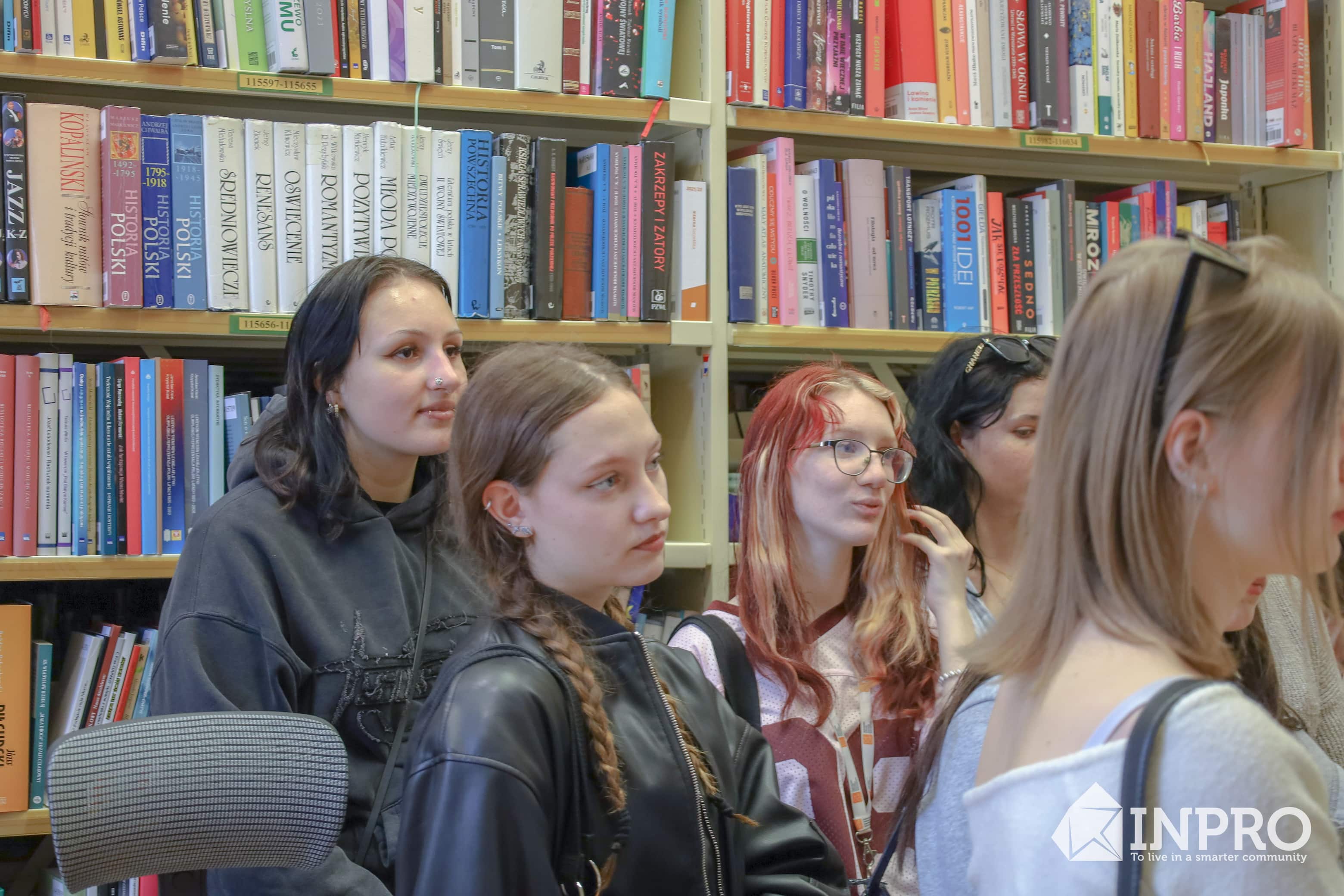
Students also took part in an outdoor city game, discovering Rzeszów through challenges that combined exploration, creativity, and problem-solving. During the visit to the local library students discovered how books and materials are efficiently stored and managed using structured shelving systems and mechanical handling methods. They observed how organization, space optimization, and internal logistics processes ensure smooth operation and quick access to books and library materials.
The workshop on EU opportunities introduced participants to programmes such as Erasmus+ and the European Solidarity Corps. It introduced students to training, internship, and volunteering opportunities abroad, gaining insight into international mobility. These experiences are particularly valuable for logistics students, as they help develop adaptability, teamwork, and a better understanding of global work environments.
A central part of the experience was the collaborative project carried out at INPRO. Working in teams, students designed and created a “journey” around Rzeszów, producing a short documentary and a TikTok video to present their experience in an engaging and fresh perspective. This activity encouraged creativity, storytelling, and digital skills, while also allowing them to reflect on their time in the city and share it from their own perspective.
The programme concluded with a final moment of reflection, goodbyes, and the awarding of certificates. Beyond the diplomas, students left with new skills, stronger connections, and a deeper understanding of both the city and each other. For many of them, Rzeszów became more than just a place they visited, it became a place they experienced, explored, and probably will remember as a place of growth.
We are happy that we could be part of this experience.The project was funded by the budget of the European Union.