Some weeks simply pass by. Others leave you with new ideas, new people in your life, and a slightly different way of looking at the world. LeaderShift: Youth Initiatives in Rzeszow was one of those weeks.
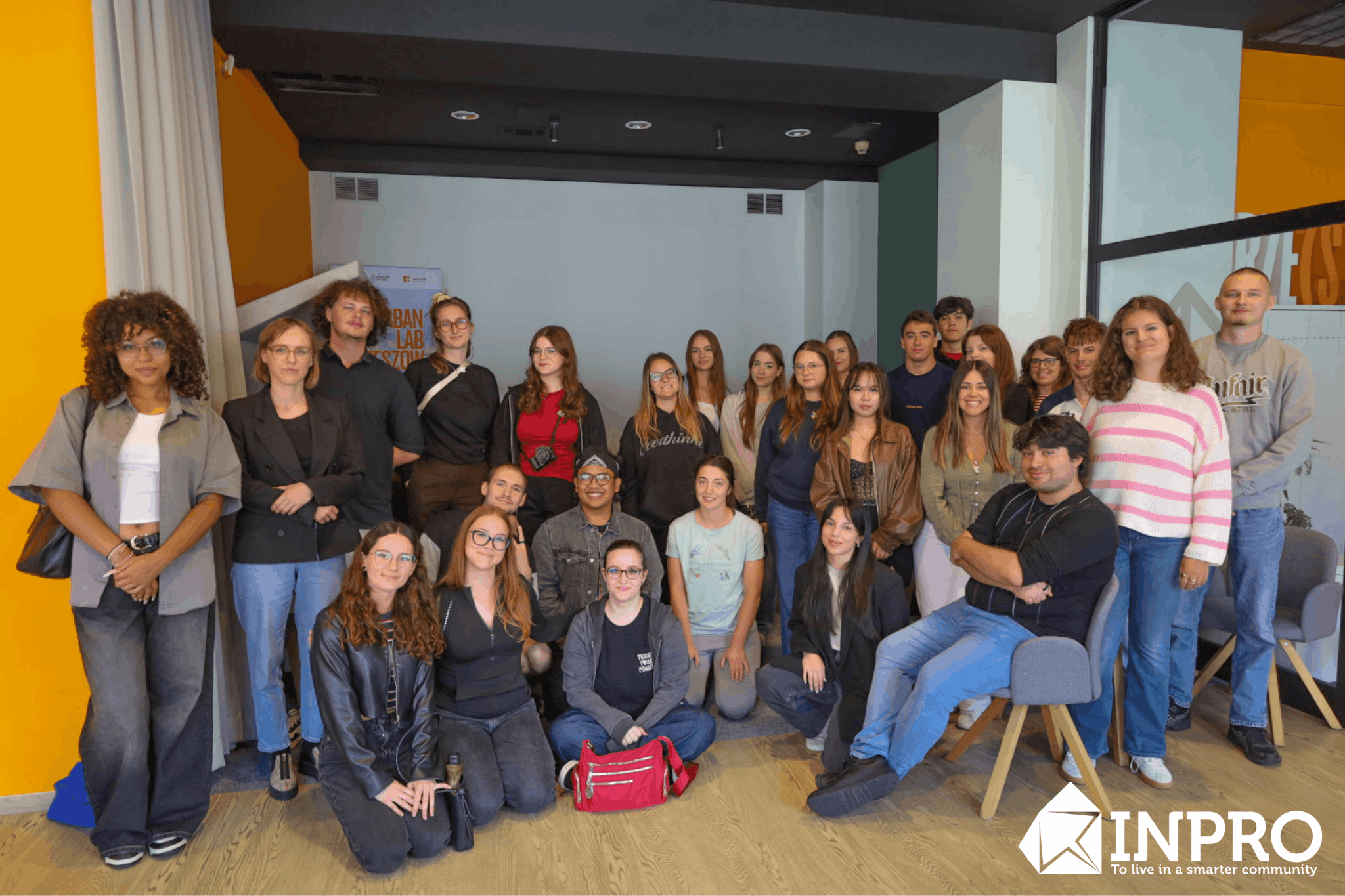
From 17 to 21 August, INPRO welcomed 20 participants from Poland, Czechia, Slovakia, Hungary and Ukraine for an Erasmus+ Study Visit centred on learning, exchanging ideas and discovering new approaches to youth participation. The programme brought everyone together in one place, but it was the people who turned those few days into an experience worth remembering.
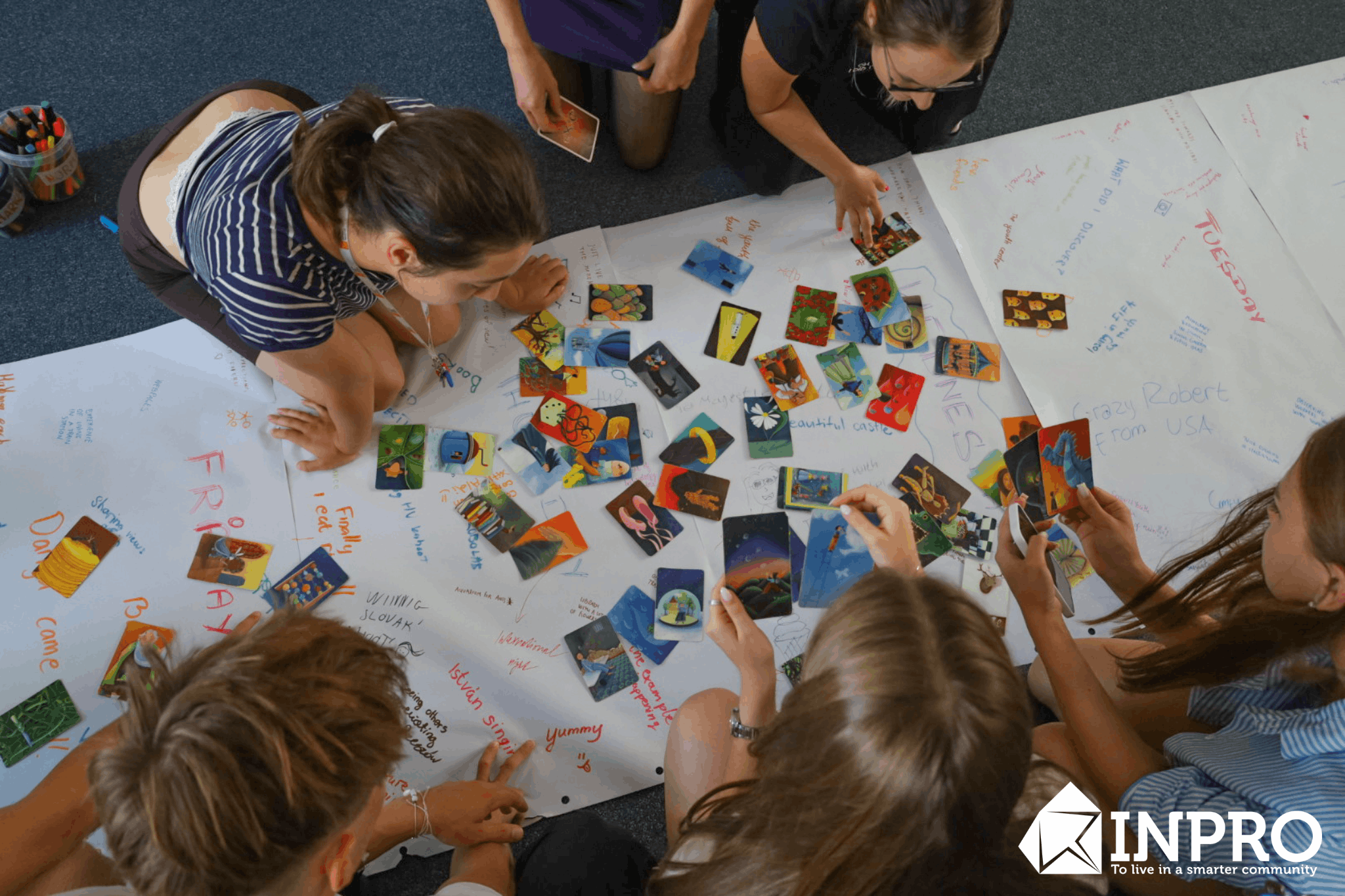
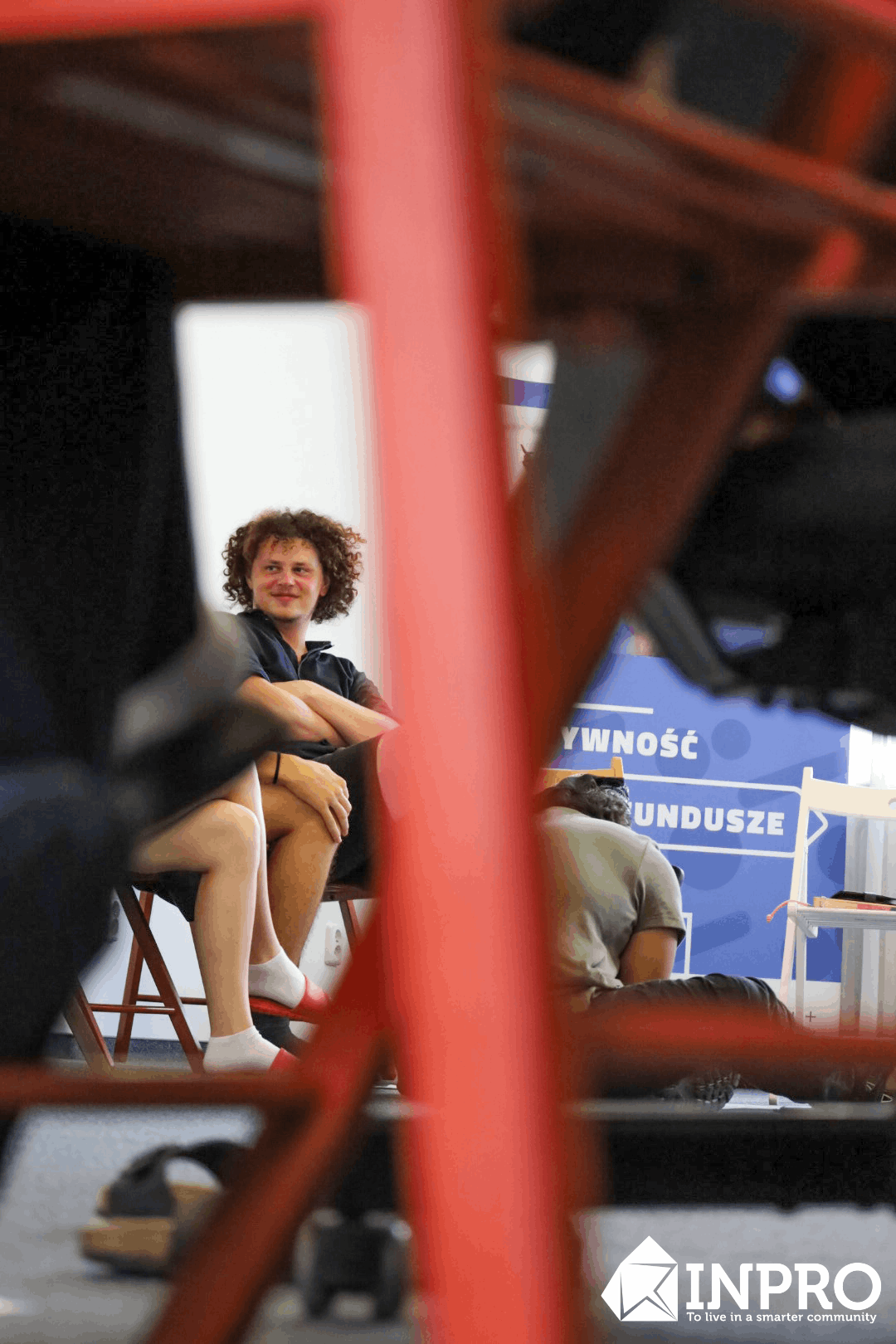
Every international project has that first moment: new faces, different languages, and probably a lot of names to remember. In between, there's no real sense yet of how the group will come together. That's where LeaderShift started. The first workshops and icebreakers at INPRO gave participants the chance to get to know one another beyond names and nationalities. Games, conversations, and team activities quickly replaced the initial, stiff introductions and created an atmosphere where sharing ideas and pieces of ourselves came naturally.
The teamwork didn't stay within INPRO's walls. A city game through Rzeszów turned exploring the city into a shared challenge, encouraging participants to collaborate while getting to know their surroundings. What started as a group of people arriving from five countries was gradually becoming something much simpler: one team experiencing the week together.
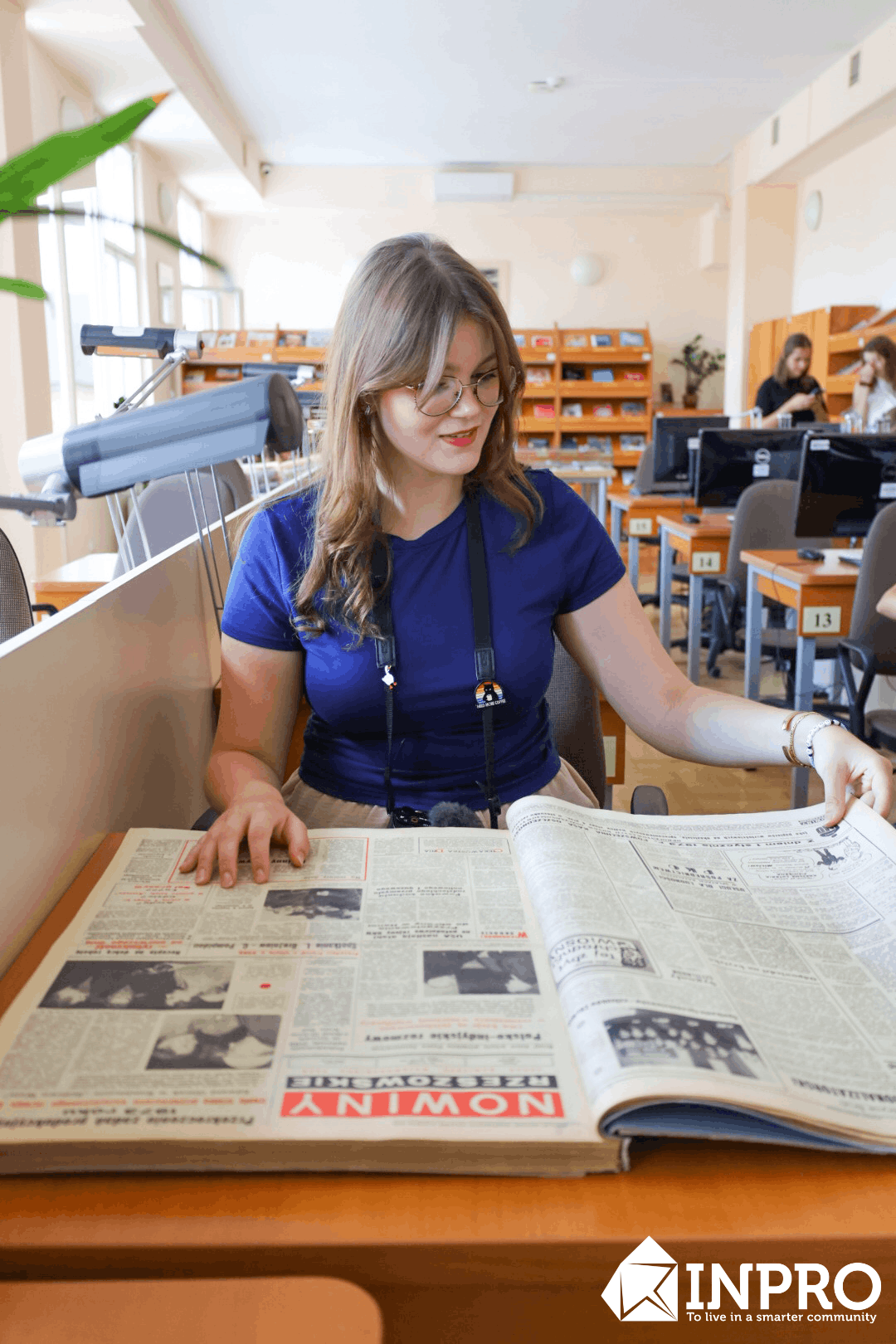
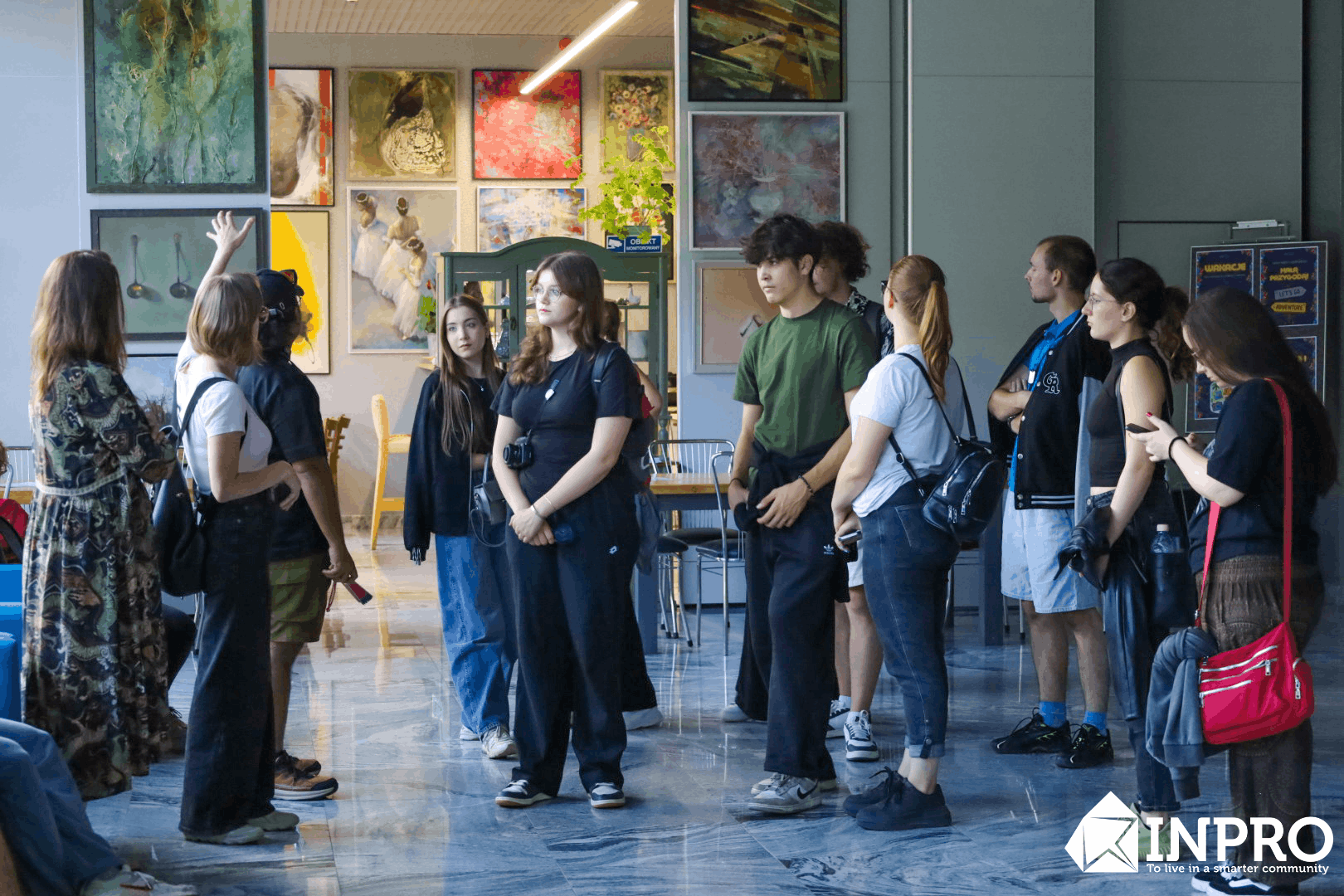
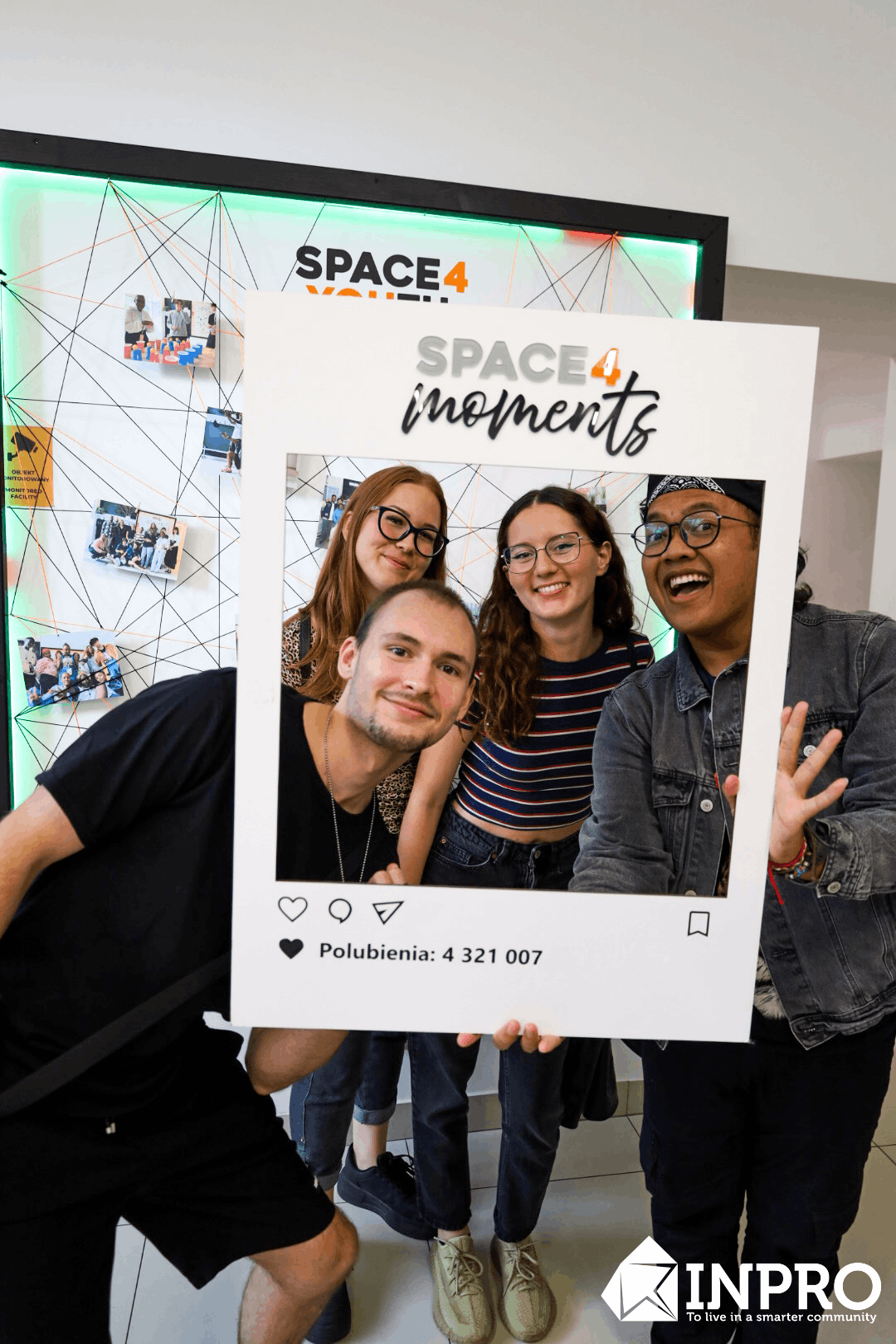
Throughout the study visit, participants explored several spaces connected to youth participation, community life and innovation. A visit to Urban Lab, accompanied by a presentation from the Youth Council, offered a closer look at local youth initiatives and the ways young people can become active voices in their communities. At Space4Youth, the conversation continued in a space designed with young people in mind, while time spent at the Podkarpackie Innovation Center fuelled the group's creativity, offering fresh ideas and an environment that lets them grow. A visit to Rzeszów's Public Library added another example of how different spaces within a city can support learning, participation, and community.
Each stop brought something different to the table. More importantly, it gave participants the chance to compare what they were discovering in Rzeszów with experiences from their own countries, turning every visit into an opportunity for a much bigger exchange of ideas.
Of course, discovering a place is about more than its projects and institutions. A trip to Łańcut, with a cultural visit to Łańcut Castle, offered a change of scenery and a generous glimpse into another part of the region's identity, exploring its history and experiencing the programme from a different perspective.
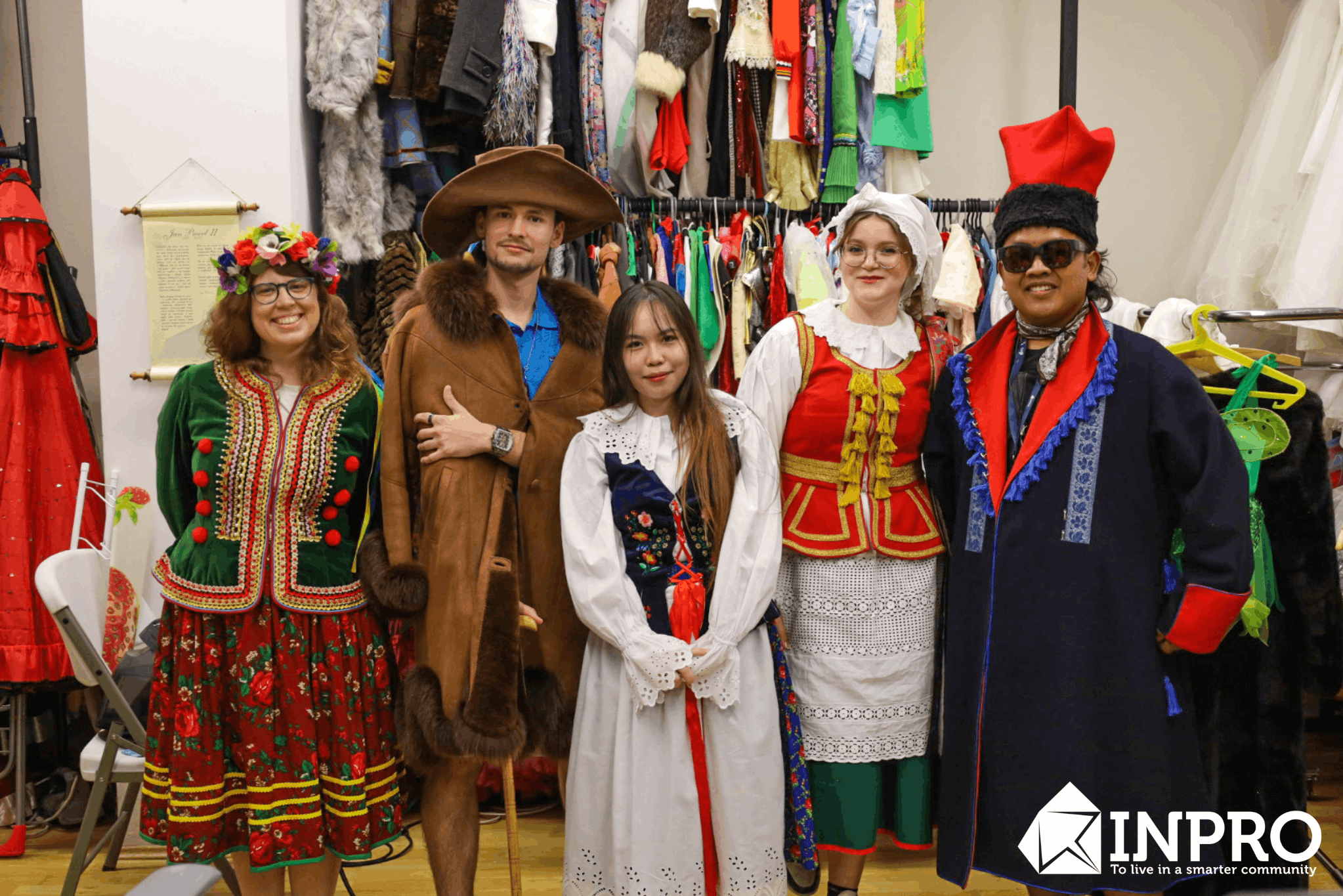
But perhaps the biggest cultural exchange of the week didn't require travelling anywhere at all. With five countries represented in one group, culture was present in stories, habits, phrases, jokes, and all the small details people notice only once they start spending real time together. During the Intercultural Evening, participants shared pieces of where they came from while having fun through activities, music, and snacks from countries other than their own. For a few hours, Poland, Czechia, Slovakia, Hungary and Ukraine felt considerably closer together, singing and dancing to the same songs.
By the final day, the programme returned to where it had started: ideas. Participants reflected on the week and prepared to take everything they had experienced back home. LeaderShift was a week of workshops, visits, and activities, but also conversations, unexpected connections, cultural exchange, and perspectives meeting one another. And that's really the most interesting thing about bringing people together through Erasmus+: you arrive expecting to discover a new place, but often leave having discovered new ways of looking at your own. The Study Visit may have lasted only one week, but some shifts stay with you much longer.
The project was implemented with the financial support of the European Union within the Erasmus+ programme.